

Why a “Recession-Proof” Plan in 2025 Is Different
In 2025, building a personal financial plan that survives a recession is not just about cutting coffee and hoarding cash. The economy now runs on AI, remote work, subscription everything, and markets that can move 5% in a day based on a single headline. Debt is cheaper for some, brutal for others. Tech layoffs can hit six‑figure earners overnight. So the game has changed: your plan has to be flexible, data‑driven, and brutally honest about risk, not just “safe and boring.”
The goal isn’t to predict the next downturn. It’s to set up a system that works when times are good and doesn’t collapse when they’re not.
Tools You Actually Need (and What’s Just Noise)

You don’t need 20 apps, a Bloomberg terminal, and a PhD in finance. But you do need a small “stack” of tools that talk to each other and give you a real-time picture of your money. At minimum: (1) a main banking app that separates day‑to‑day money from long‑term savings; (2) an investment platform with low fees and access to broad index funds; (3) the best personal financial planning software for recession resilience you can comfortably use, meaning it can handle cash-flow forecasts, scenario testing, and “what if I lose my job” modeling. Many of the newer tools link to your accounts and run stress tests automatically—if you don’t understand the outputs, that’s a sign you’re using tech that’s too complex for your needs.
What about fancy “recession proof financial planning services” that are advertised everywhere? Some are legit, some are just rebranded budgeting tools. Look for three things: transparent pricing, fiduciary duty (they must legally put your interests first), and clear methodology for how they model downturns, not just growth.
Step 1: Audit Your Current Financial Reality
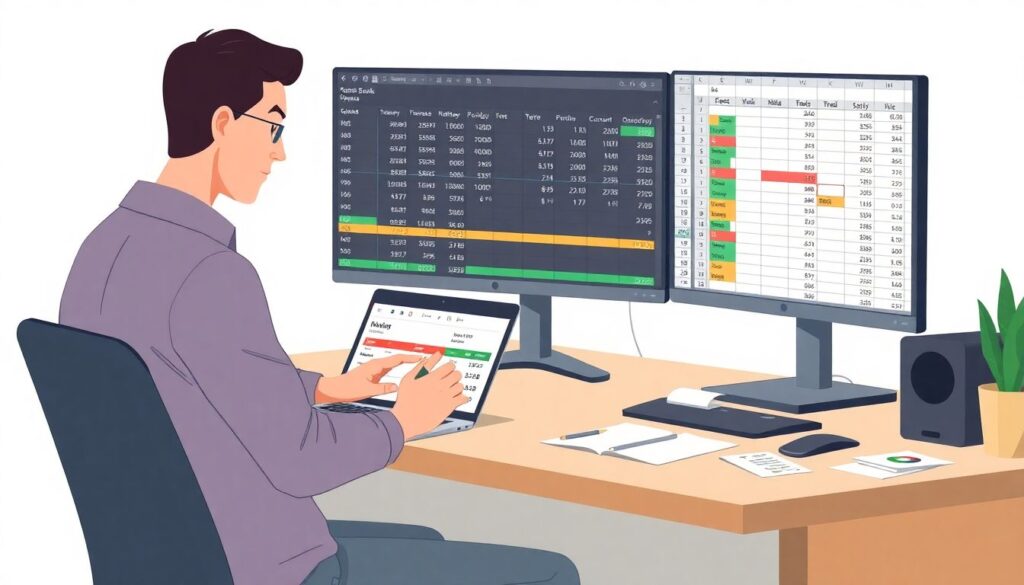
You can’t build a resilient plan on fuzzy numbers. Start by pulling the last three to six months of transactions from all accounts. Let your software or spreadsheet categorize automatically, then manually fix the obvious errors—yes, this is boring, but it’s where you see the leaks. Look at your spending in big buckets: housing, food, transport, debt, lifestyle, and true savings/investments, not just money “left in the account.”
The key metric here: your “recession survival runway.” That’s how many months you could cover bare-bones expenses if your income dropped by 50% or to zero. Most people discover their runway is much shorter than they thought.
Step 2: Build a Modern Emergency System, Not Just a Fund
The classic rule of thumb—three to six months of expenses in cash—still matters, but in 2025 it’s incomplete. Jobs in tech, media, and startups can take 9–12 months to replace at the same pay. Dual‑income couples might face both incomes being unstable at the same time. Healthcare costs can spike instantly if you lose employer coverage.
Think of an “emergency system” with layers. First layer: cash in a high‑yield savings account you can access within a day. Second layer: a low‑risk investment bucket (short‑term bond ETFs, money market funds) that can be tapped if a downturn lasts longer than expected. Third layer: flexible expenses you could cut within 30 days—subscriptions, travel, nonessential upgrades—to extend that runway without selling long‑term investments too early.
Step 3: Engineer a Recession‑Ready Budget
A recession‑ready budget starts with a simple question: “What could I cut or pause without my life falling apart?” Instead of guessing, define two versions of your budget:
1. Normal Mode – your current lifestyle, but with clear savings and investing targets.
2. Recession Mode – the same life stripped down to essentials plus a few low‑cost “joy” items so it’s sustainable psychologically, not just numerically.
List your monthly expenses and tag each line as “Essential,” “Important,” or “Nice‑to‑Have.” Essentials stay in both modes. Important and Nice‑to‑Have items get reduced or removed in Recession Mode. The point is to pre‑decide what gets cut, so you’re not doom‑scrolling and making panicked decisions if layoffs hit your industry.
Step 4: Design Income Streams with Built-In Shock Absorbers
In 2025, relying on one employer or one type of client is the financial equivalent of driving without a seatbelt. You don’t need five side hustles, but you do need options. Remote and hybrid work, freelance platforms, niche online skills, and AI‑enhanced services all make it easier than ever to build what is effectively “backup income capacity.”
Start by mapping your current income risk: industry, employer health, role automation risk, and skill portability. Then define one realistic secondary source: consulting a few hours a month, a monetized skill (design, writing, coding, coaching), or even part‑time service work you could switch to if needed. You’re trying to reduce the odds that *all* of your income disappears at once.
Step 5: Investing So You Don’t Panic-Sell in a Crash
A recession‑proof plan doesn’t mean avoiding investing; it means structuring your investments so you can sit through volatility without losing sleep. For most people, that means a core of low‑cost index funds (global stocks and bonds), a clear target asset allocation, and automated contributions. The more your system runs without constant tinkering, the less likely you are to make fear‑based mistakes.
When you think about how to protect investments during a recession, zoom out from individual stock tips and ask: “Do I have enough boring assets?” That includes cash, short‑term bonds, and maybe a small allocation to assets that don’t move in lockstep with stocks. The mix depends on your age, job stability, and psychological tolerance for seeing red on your screen.
Step 6: Retirement Planning That Survives Economic Downturns
Recessions hit retirement plans in two ways: your portfolio drops, and your contributions may shrink if your income falls. Modern retirement planning services for economic downturn scenarios run “sequence of returns” tests—fancy language for “What if the market crashes right when I start withdrawing?” You want your plan to survive that timeline, not just an average one.
Even if you’re using DIY tools, copy this mindset. Stress‑test your plan assuming: (1) a major market drop in the first five years of retirement, and (2) a few years where you can’t contribute as much because of job or health issues. Then build buffers: a cash bucket for the first couple of years of retirement withdrawals, flexible spending categories you can dial down in rough markets, and the option to work part‑time or delay big expenses if needed.
When to Bring in a Human: Advisors in the Age of AI
AI‑driven apps can crunch numbers, but they still can’t fully replace good judgment about your specific life. If your situation is complex—multiple income streams, stock options, business ownership, or caring for dependents—it can be rational to hire financial advisor for recession planning rather than guess. A hybrid approach is common in 2025: software for day‑to‑day tracking and projections, a human advisor for big decisions and checking your blind spots.
Don’t assume an advisor automatically makes your plan recession‑proof. Ask how they handle downturns, how they’re paid, and whether they’ve actually guided clients through past bear markets without excessive trading or panic‑driven changes.
Step-by-Step: Building Your Recession‑Resilient Plan
Here’s a streamlined process you can follow over a few weeks, not months:
1. Gather data. Download account statements, debts, and investment summaries. Connect everything to your chosen planning tool.
2. Calculate your runway. Figure out current monthly essentials and how many months your cash and liquid assets cover.
3. Create Normal and Recession Modes. Build two budgets. Decide in advance which costs get cut, reduced, or protected.
4. Set allocation targets. Define your stock/bond/cash split for both “normal” and “stress” scenarios. Avoid sudden shifts; plan gradual changes over time.
5. Automate flows. Set automatic transfers: paycheck → bills → savings → investments, leaving as little as possible to “good intentions.”
6. Add income flexibility. Identify and start building at least one backup income source, even if small at first.
7. Schedule reviews. Put a 30‑minute check‑in on your calendar every month, and a deeper review every six months, to adjust based on real life—not headlines.
Each step builds on the previous one. You’re moving from “I hope I’ll be okay” to “I know what happens if things go wrong, and I’ve already scripted my response.”
Troubleshooting: Common Problems and How to Fix Them
Let’s be blunt: most plans fail not because they’re mathematically wrong, but because they’re psychologically unrealistic. Here’s how to debug yours.
If you “can’t save anything,” the issue is usually invisible lifestyle creep. Run a no‑judgment spending review and look for patterns: subscriptions you forgot, frequent delivery fees, upgrades you barely notice. Then set a small, non‑negotiable automatic transfer to savings the day after payday, even if it’s tiny. You’re training the habit before optimizing the amount.
If market volatility keeps you up at night, your investments are likely misaligned with your real risk tolerance. Reduce risk not by jumping to cash, but by shifting some of your portfolio to more stable assets over time and strengthening your emergency system so you’re less likely to need to sell investments during a downturn. The more secure your near‑term cash flow, the easier it is to sit through a bear market.
Debugging More Advanced Issues

If your income is irregular—freelance, commission, or gig work—you can’t rely on monthly averages. Instead, base your “Essentials” budget on your lowest 3–6 month income periods from the last few years and treat any extra as a bonus that gets divided between extra savings, debt payoff, and carefully chosen lifestyle upgrades.
If you feel overwhelmed by tools and advice, simplify. One bank, one investment platform, one planning app. Turn off most notifications. Define two or three key numbers you track: runway months, savings rate, and debt‑to‑income ratio. When those are trending in the right direction, you’re moving toward a recession‑proof setup, regardless of what the market did this week.
Bringing It All Together
A personal financial plan that survives recession in 2025 is not a static document; it’s a system that adapts as your life and the economy shift. You’re combining modern tech, realistic stress tests, and a pre‑planned playbook for when things go sideways. The goal isn’t to win every market cycle; it’s to stay in the game, keep your options open, and avoid decisions you’ll regret when the headlines calm down.
If you build that kind of system—lean, flexible, and honest about risk—you don’t have to fear the word “recession” every time it trends. You’ll already know what to do.