
Why Saving for a Down Payment While Renting Feels Like Running Uphill
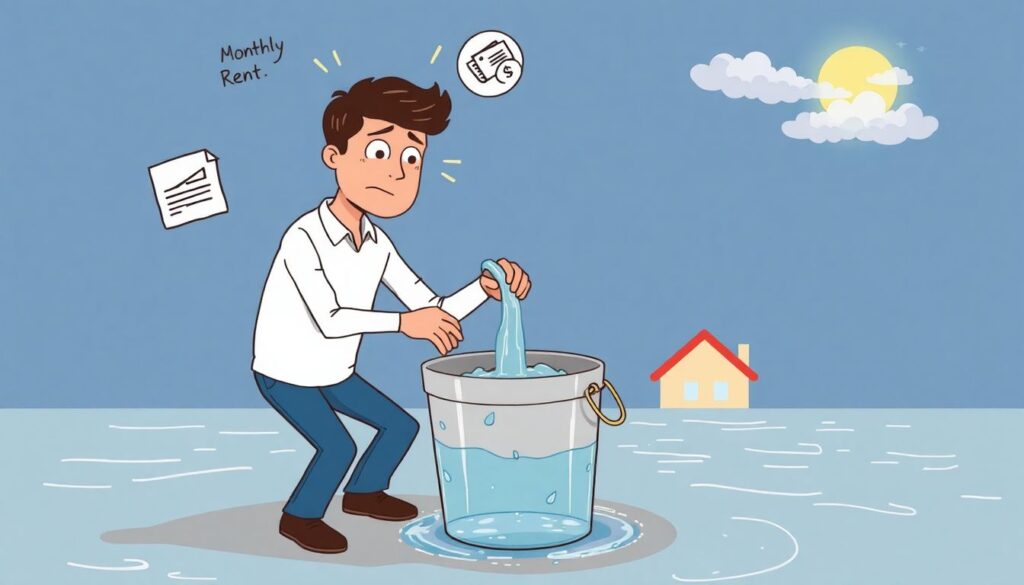
Trying to save for a down payment while renting is like trying to fill a bucket with a hole in the bottom. Monthly rent, utilities, and daily expenses can eat up most of your paycheck, leaving little room for savings. Many renters feel stuck in a cycle: they can’t buy a home because they’re renting, and they can’t stop renting because they haven’t saved enough for a home. Take Sarah, a 29-year-old marketing specialist in Austin. She spent four years living paycheck to paycheck, assuming that homeownership was out of reach. Her mistake? She never tracked her spending or had a savings plan. Once she started using a budgeting app and cutting back on non-essentials, she saved $15,000 in 18 months. It wasn’t magic—just structure and discipline.
Common Mistakes That Sabotage Your Savings Goals
One of the biggest missteps renters make is underestimating how much they need to save. A 20% down payment on a $350,000 home is $70,000—not including closing costs. But many people set vague goals like “I’ll save what I can” without a clear timeline or target. Another frequent error is lifestyle creep. As income increases, so do expenses—nicer apartments, more takeout, expensive vacations. Renters also often forget to separate their down payment savings from their regular accounts, making it too easy to dip into when things get tight. And let’s not forget the “I’ll start next year” syndrome. Waiting for the perfect time usually means never starting at all. The key is to treat your down payment like a bill that must be paid every month.
Creative Solutions You Probably Haven’t Considered
Here’s where things get interesting. Most people think the only way to save is to cut back on lattes or skip brunch. But what if you could make your rent work for you? Some renters are negotiating with landlords to reduce rent in exchange for services—pet sitting, maintenance help, or property management tasks. Others are subletting a room or listing their place on Airbnb when traveling. Then there’s co-living: splitting a larger home with roommates to drastically lower rent and divert the difference into savings. One couple in Portland moved into a duplex with friends, saving $700 a month each. They reached their $40,000 goal in just under two years. Thinking outside the box can fast-track your progress more than just penny-pinching.
Alternative Methods That Go Beyond Budgeting

If traditional budgeting feels restrictive, there are other tools to help you save. High-yield savings accounts offer better returns than standard banks, and automating transfers right after payday ensures you “pay yourself first.” Some renters are using micro-investing apps that round up purchases and invest the spare change—small, but it adds up. Others take advantage of employer benefits, like stock purchase plans or bonuses, and earmark them for their future home. In some cities, local governments and nonprofits offer matched savings programs or grants for first-time homebuyers. These aren’t always widely advertised, so doing your homework can uncover hidden gems. For those with side hustles, dedicating that income solely to your down payment fund can significantly accelerate your timeline.
Pro Tips That Make a Real Difference
Here’s where seasoned savers separate themselves from the rest. First, track every dollar. Use tools like Mint or YNAB to see exactly where your money is going. Second, create a “rent-to-mortgage” simulation. If your future mortgage is likely to be $2,000 and your current rent is $1,500, start saving the $500 difference now. It not only boosts your savings but gets you used to the higher monthly outflow. Third, avoid lifestyle inflation. When you get a raise or bonus, act like it never happened—redirect it straight into your savings. Finally, surround yourself with accountability. Share your goal with a friend or join online communities of aspiring homeowners. They’ll keep you motivated when it feels like your progress is crawling. Saving for a down payment while renting isn’t easy, but with the right mix of strategy and creativity, it’s absolutely doable.