
Understanding Grants: Historical Context and Modern Relevance
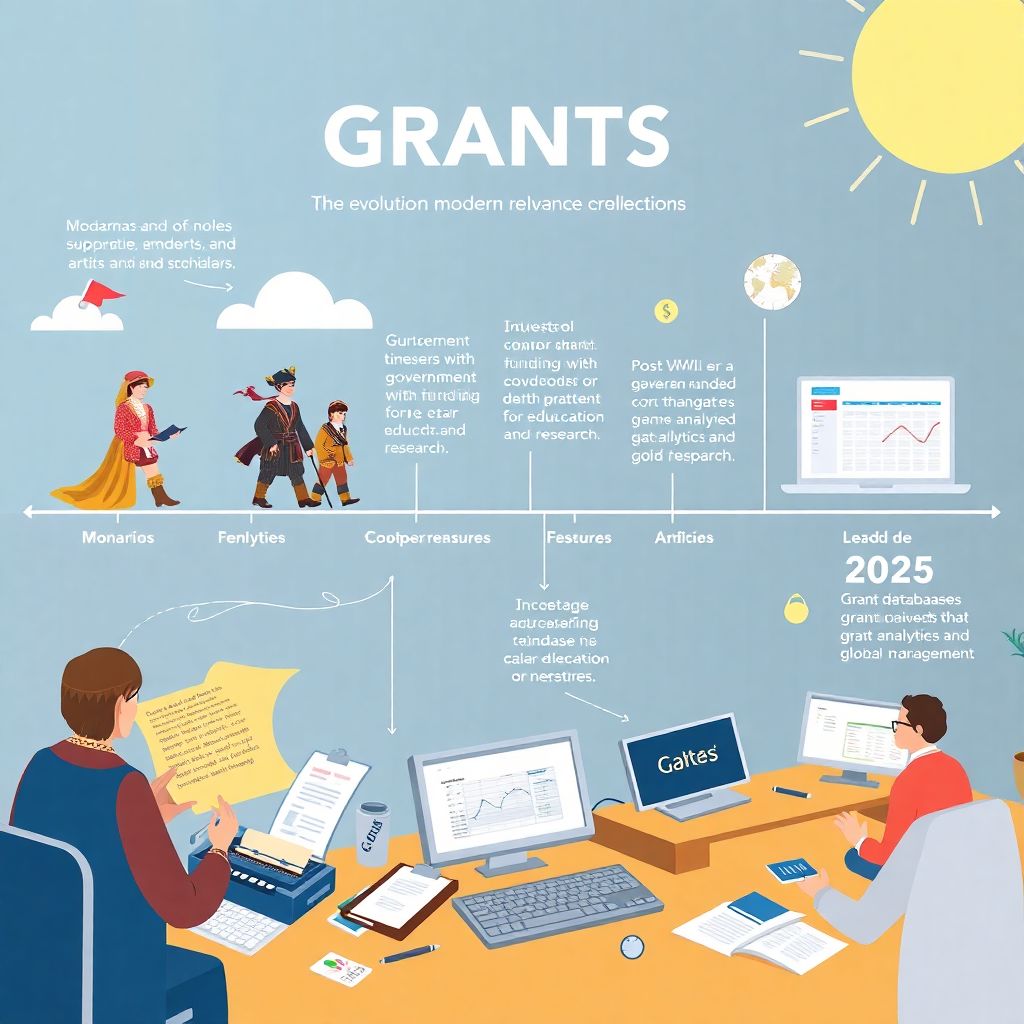
Grants have long served as a critical financial mechanism for supporting individuals, organizations, and institutions in achieving specific goals without the expectation of repayment. Historically, the concept of grants can be traced back to medieval patronage systems, where monarchs and nobles funded artists, scholars, and inventors. In the 20th century, the structure of modern grants began to solidify, particularly after World War II, when governments and philanthropic foundations recognized the need to invest in education, science, and social welfare. By the early 2000s, grant funding had become a cornerstone of innovation, especially in fields such as medical research, environmental conservation, and community development. As of 2025, the grant landscape has evolved to include digital platforms, data-driven evaluations, and global collaboration, making it more competitive and impactful than ever before.
Essential Tools for Successful Grant Applications
To navigate the grant application process effectively, several tools and resources are indispensable. First, a reliable computer with internet access is necessary for researching opportunities, completing online applications, and communicating with grant officers. A well-organized digital filing system helps manage deadlines, submission materials, and correspondence. Word processing and spreadsheet software, such as Microsoft Word and Excel or their equivalents, are vital for drafting proposals and budgeting. Additionally, grant databases like Grants.gov, Foundation Directory Online, and international portals provide access to current funding opportunities. Project management tools such as Trello or Asana can assist in tracking progress and collaboration among team members. Lastly, access to professional guidance—either through a grant writer, mentor, or institutional support office—can significantly increase the quality and competitiveness of your application.
Step-by-Step Process of Securing a Grant
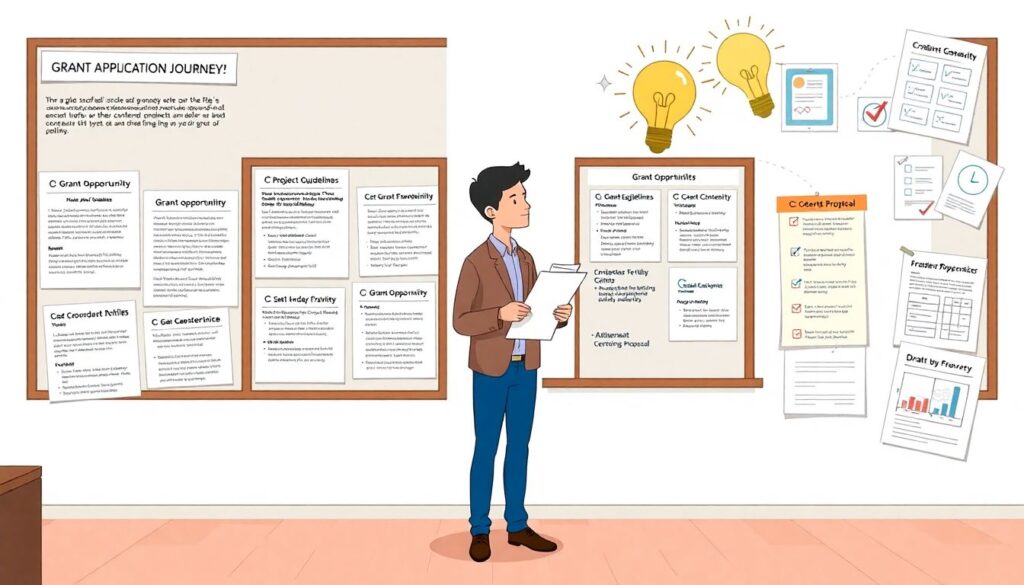
The grant application journey begins with identifying a funding source that aligns with your project goals and eligibility criteria. Once a suitable grant is found, carefully review the guidelines to understand the funder’s priorities and requirements. The next step involves drafting a compelling proposal, which typically includes an executive summary, a detailed project description, objectives, methodology, budget, and anticipated outcomes. Supporting documents such as letters of support, resumes, and institutional endorsements may also be required. After assembling all materials, submit the application before the deadline via the specified platform. Post-submission, some funders may request additional clarification or revisions. If awarded, recipients must adhere to reporting requirements, including periodic updates and a final report. In the event of rejection, applicants should seek feedback and use it to strengthen future submissions. Persistence and continuous improvement are key to long-term success in grant acquisition.
Troubleshooting Common Grant Application Issues
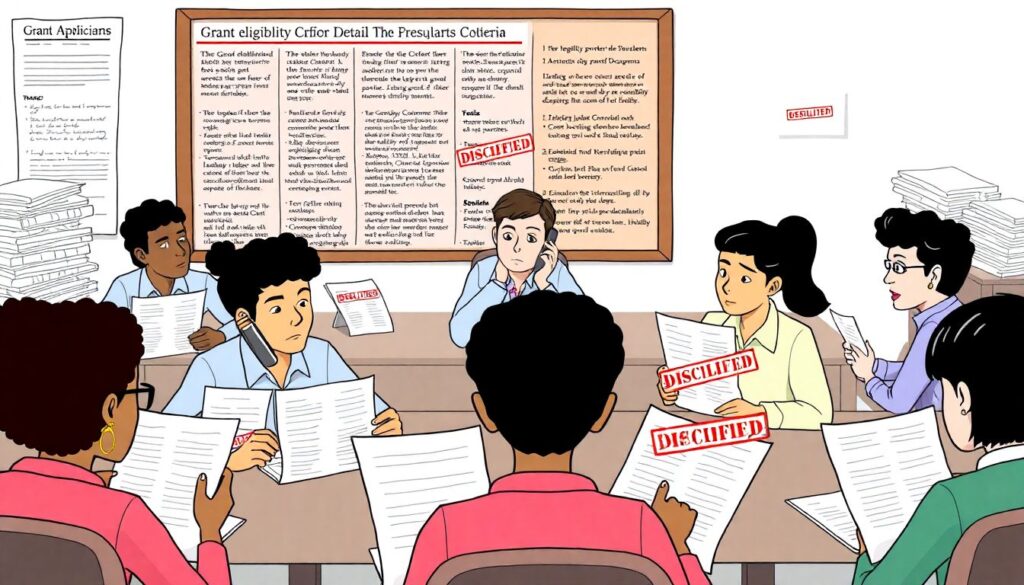
Despite meticulous preparation, applicants frequently encounter challenges during the grant process. One common issue is misunderstanding eligibility criteria, which can lead to automatic disqualification. To avoid this, thoroughly review the funder’s guidelines and, if necessary, contact the grant officer for clarification. Another frequent problem is vague or unfocused proposals; ensure your objectives are specific, measurable, and aligned with the funder’s mission. Budget inaccuracies can also derail an otherwise strong application—double-check all figures and provide justifications for each expense. Technical issues, such as website glitches or file upload errors, can occur close to the deadline, so submit early to allow time for troubleshooting. If your proposal is rejected, don’t view it as a failure; instead, request reviewer comments, analyze the feedback, and refine your approach. By addressing these common pitfalls proactively, applicants can significantly improve their chances of securing funding in future rounds.