
Why Medical Debt Became Everyone’s Problem
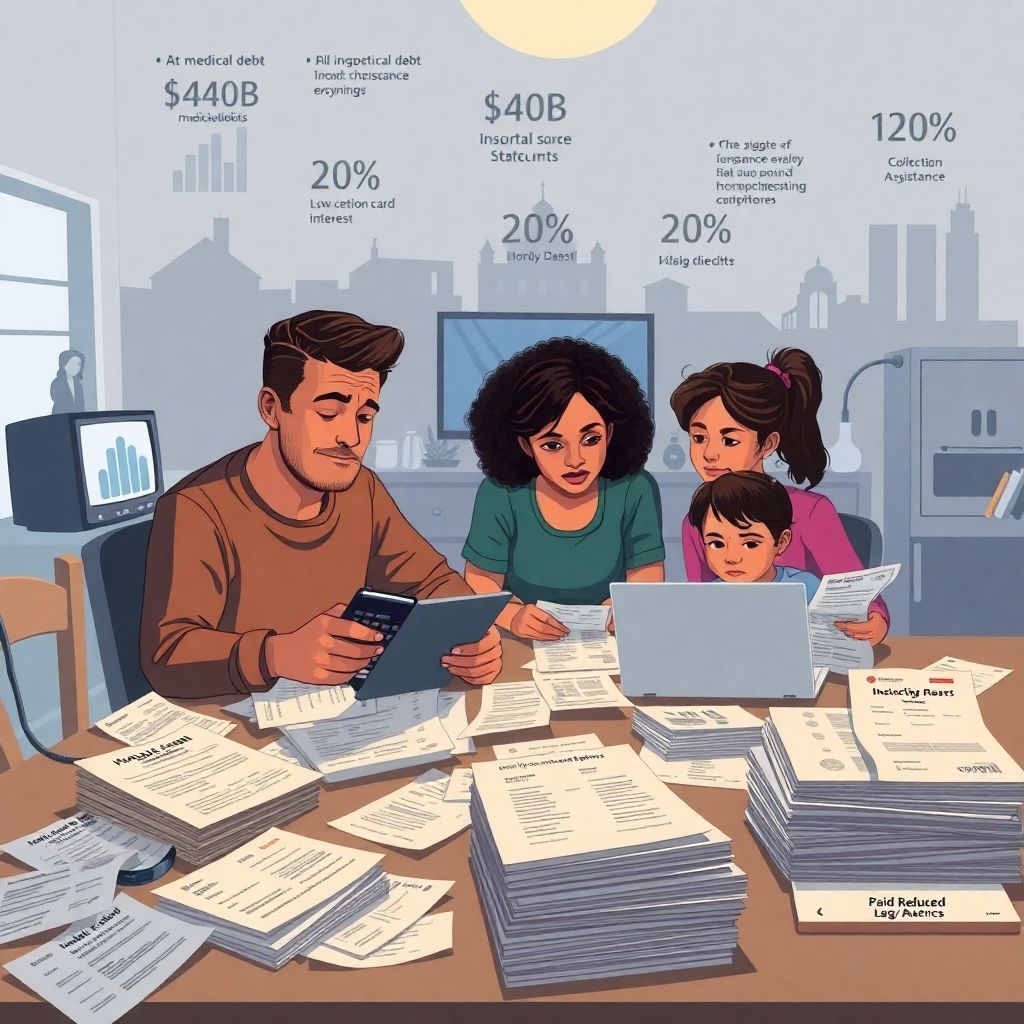
Over the last few years, medical bills quietly turned into one of the biggest financial headaches for households, even for people who technically “have insurance.” According to a 2021 study in JAMA, Americans had roughly $140 billion in medical debt in collections, making it the largest type of debt on credit reports at that time. The CFPB later found that, by 2022, about $88 billion in medical collections was showing up on credit files, and that number started dropping mainly because credit bureaus changed their reporting rules, not because people magically paid everything off. KFF surveys in 2022–2023 show that about 4 in 10 U.S. adults report some form of medical or dental debt. So the problem didn’t vanish; it just moved off some credit reports and into payment plans, family loans and maxed-out cards.
Paying it off, however, is more manageable if you break the problem into clear steps instead of panicking every time a new envelope hits the mailbox.
Step One: Get the Real Number You Owe
The mess starts with not knowing what you actually owe. Between insurance adjustments, denied claims and surprise bills, the first figure you see is rarely the final one. For the last three years, consumer complaints tracked by regulators show a consistent pattern: billing errors, duplicate charges and out‑of‑network surprises appear again and again. Before you send a single dollar, ask your provider for an itemized bill. Then request an Explanation of Benefits from your insurer and compare line by line. Look for absurdities: lab tests billed twice, procedures you never had, or services coded as “out of network” even when you went to the in‑network hospital your plan recommended. It’s boring detective work, but every wrong line you catch is real money you keep.
A surprising amount of “debt” simply disappears after a corrected bill and a persistent phone call or two.
Using Data to Push Back on Errors
Hospitals and insurers bank on the fact that most people won’t argue. Yet external audits consistently show measurable billing error rates, especially in complex hospital stays. That means you’re not being difficult by questioning charges; you’re acting like a rational consumer in a very irrational system.
If the numbers still look off, escalate: ask for the billing office supervisor, then your state insurance department or a nonprofit patient advocate if needed.
how to settle medical bills for less: The Negotiation Playbook

After the dust settles and you have a clean, confirmed total, the next move is figuring out how to settle medical bills for less than face value. Providers know that medical debt is hard to collect, and they’d rather get a smaller lump sum today than chase you for years. That creates leverage. Call the billing department and say something direct: “This is more than I can afford. If I can pay a lump sum, what’s the lowest you can accept to mark this paid in full?” Expect a bit of back‑and‑forth. In the last few years, many nonprofit hospitals have had to publicly tighten their charity care policies and discount structures because of scrutiny from state attorneys general and journalists. Use that to your advantage: ask specifically about financial assistance, charity care and “prompt‑pay” discounts. Then get any deal in writing before sending money.
In practice, 10–40% discounts are common when you negotiate early and stay calm, especially before the bill is sent to collections.
When to hire medical debt negotiation services
If the balance is huge, your health is shaky and every call turns into a stress spiral, it might be worth it to hire medical debt negotiation services. Reputable firms or nonprofit credit counselors can sometimes squeeze better discounts because they speak the billing department’s language and know what’s realistic.
Just avoid anyone who demands big upfront fees or promises to “erase” your debt without a clear plan; that’s where scams usually hide.
Medical Debt Relief vs. Consolidation: Economic Trade‑offs
Now let’s talk strategy, not just survival. The explosion of unpaid medical bills over the last three years has fueled a mini‑industry of medical debt relief programs, consolidation lenders and fintech startups. On one side, you have relief initiatives: hospital charity care, state‑level assistance, and even large‑scale nonprofit projects that buy medical debt in bulk for pennies and forgive it. On the other side are financial products that reorganize what you owe. This is where you’ll see ads for the best medical debt consolidation companies promising one neat monthly payment instead of a handful of chaotic ones. The economic trade‑off is simple but serious: you’re swapping medical debt, which often doesn’t accrue interest immediately, for a loan or line of credit that definitely does. If the interest rate is high, you might be turning a painful but static bill into a growing problem.
The math needs to work in your favor, not just look tidy on paper.
When Consolidation Makes Sense
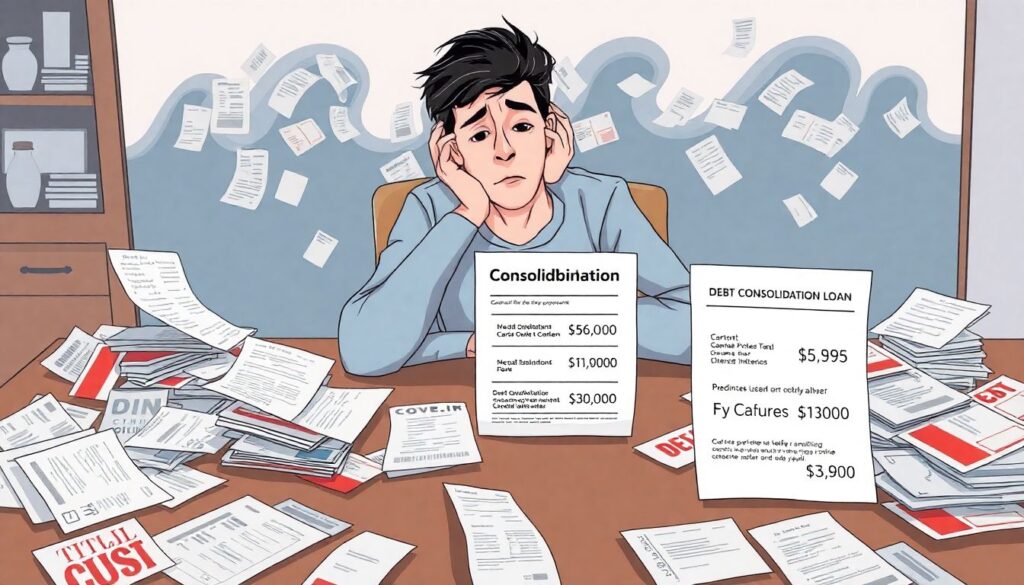
Consolidation can help when you’re drowning in multiple bills with different due dates and no clear budget. If — and this is the key part — the total interest you’ll pay is lower than what you’d otherwise rack up on credit cards or missed payments, it can be a rational move.
Before signing anything, compare offers from several lenders, factor in origination fees, and read the part of the contract that everyone wants you to skip.
Smart Borrowing: low interest loans to pay off medical bills
Sometimes, you can’t negotiate enough of a discount and there’s no charity care left to tap. In those cases, low interest loans to pay off medical bills can be a calculated tool instead of a trap. Credit unions, community banks and some employer‑sponsored loan programs often have rates far below typical credit cards. From roughly 2022 to 2024, average credit card rates in the U.S. climbed into the 20% range, while personal loans from solid lenders often sat 8–15% for qualified borrowers. That spread matters. If your choice is between rolling a $6,000 hospital bill onto a card you can’t pay off and taking a modest‑rate personal loan with a clear end date, the loan can be the lesser evil. The caveat: don’t borrow more than the medical debt itself and don’t use the loan as an excuse to stop negotiating the original bill down.
Debt that comes with a finish line is vastly better than an open‑ended balance on a revolving card.
Interest, Inflation and Household Budgets
Over the last three years, higher interest rates and inflation have squeezed household budgets from both ends: daily expenses rose while borrowing got pricier.
That’s why medical debt that might have been “annoying but manageable” in 2019 can now be the thing that tips a family into using credit cards for groceries.
Forecast: Where Medical Debt Is Headed by 2030
Looking forward, most health economists expect medical debt to stay a core financial risk, even if some numbers on credit reports keep shrinking. Why? Health care prices historically grow faster than general inflation, and insurance designs have shifted more costs onto patients through higher deductibles and co‑pays. Several trends from 2022–2024 will likely intensify: more high‑deductible plans tied to employers, continued consolidation of hospitals into large systems with stronger pricing power and wider use of pricey specialty drugs. On the flip side, we’re seeing experiments: states expanding Medicaid or capping certain out‑of‑pocket costs, and local governments partnering with nonprofits to buy and forgive portfolios of old medical debt. By 2030, the balance will hinge on whether policy reforms outpace the medical sector’s appetite for revenue. Realistically, medical debt won’t vanish, but it could become less catastrophic if transparency and patient protections keep expanding.
So the best personal strategy mixes short‑term survival skills with an eye on emerging rights and assistance programs.
How This Wave of Debt Is Reshaping the Industry
Medical debt doesn’t just hurt patients; it’s quietly rewiring the health‑care business. Over the past three years, more health systems have realized that aggressive collections and lawsuits are a PR disaster and a long‑term financial loser. Some large hospitals have scaled back suing patients, partly because journalists exposed cases of minimum‑wage workers being dragged to court over ER visits. At the same time, collection agencies, revenue‑cycle management firms and so‑called “patient financing” companies have grown into their own ecosystem, taking a cut of every struggling family’s payment plan. Insurers are also reading the room: the backlash against surprise billing pushed new federal rules, and there’s ongoing pressure for clearer price estimates before non‑emergency procedures. All of this nudges the industry toward slightly more transparency, if only to avoid regulation that might be tougher later. The medical debt story is now baked into how hospitals brand themselves, structure pricing and design financial assistance.
Behind every line of policy or corporate strategy, though, there’s still a person staring at a bill wondering what to do next.
The Role of medical debt relief programs
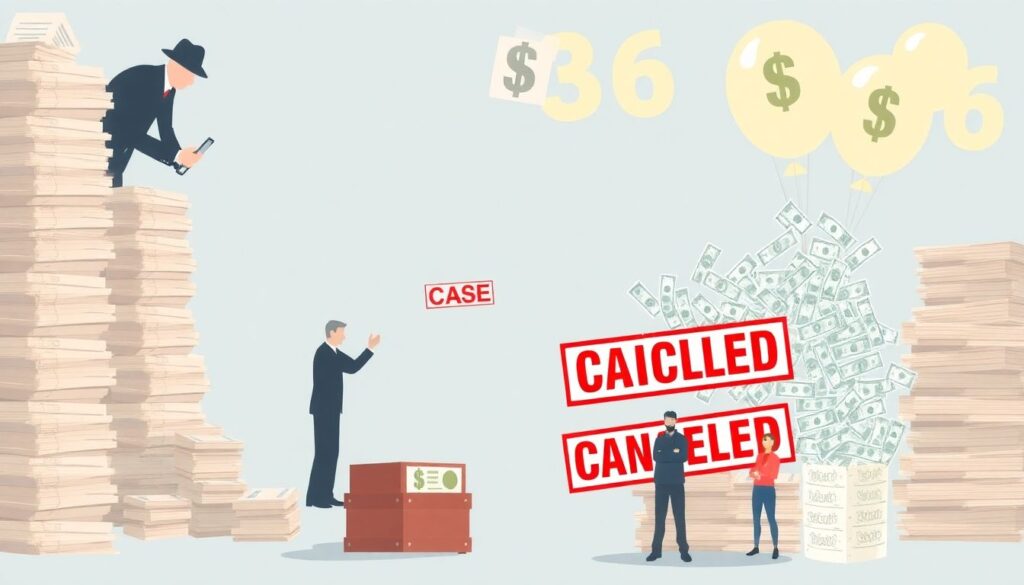
As portfolios of old bills get sold and resold, medical debt relief programs run by nonprofits and local governments are stepping into the gap.
They buy that debt for pennies on the dollar and cancel it, proving how inflated the “full” balances can be — and how much room for negotiation you may actually have.
Putting It All Together: A Practical Game Plan
Let’s stitch the big picture to your day‑to‑day reality. If you’re facing medical bills right now, think in stages. First, clean the numbers: itemized bill, insurance review, correction of errors. Second, negotiate: ask for discounts, payment plans and financial assistance in writing; don’t be shy about pushing back, because the worst they can say is no. Third, decide whether you can tackle it yourself or need backup — from a nonprofit counselor, a hospital social worker or, in complex cases, professionals who do negotiations for a living. Fourth, only after squeezing the bill down, think about financing; compare consolidation, personal loans and in‑house hospital plans with a calculator, not wishful thinking. The best medical debt consolidation companies, low‑rate lenders and reputable advisors all have one thing in common: they show you the total cost clearly, not just the monthly payment.
The system isn’t built for your convenience, but with information and a bit of stubbornness, you can keep medical debt from running your financial life.