
Understanding Where Your Healthcare Money Actually Goes
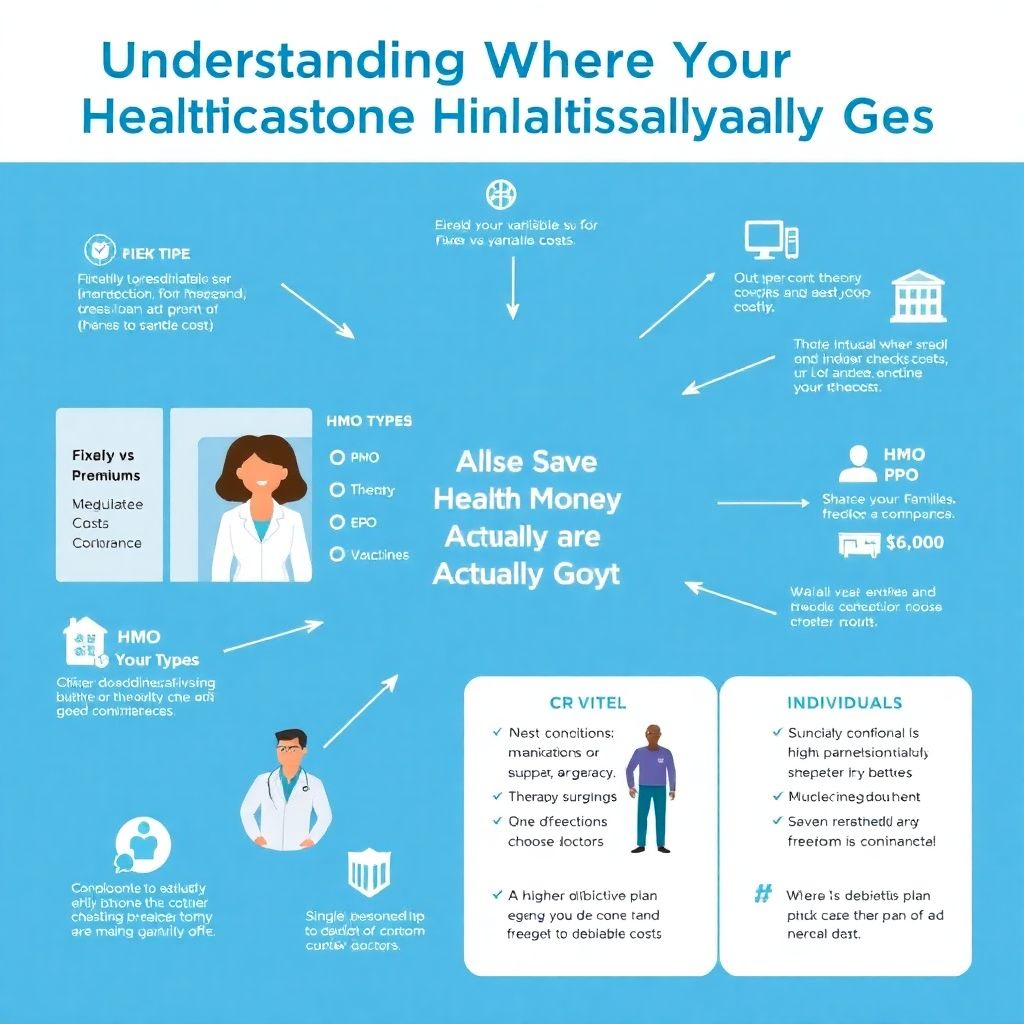
Before trying to cut costs, it helps to see what you’re really paying for. Many people look only at the monthly premium and ignore deductibles, copays, coinsurance and out‑of‑network fees. As a result, a plan that looks cheap at first can become painfully expensive once you actually use it. A more realistic view adds up your likely annual spending: premiums plus expected visits, medications and emergencies. That’s the only way to tell whether you’re paying for protection or just burning cash.
Fixed vs. variable costs: why “cheap” can be expensive
Healthcare has two main components: fixed costs (monthly premiums) and variable costs (what you pay when you get care). Plans with low premiums usually push up the deductible and coinsurance, so you save when you’re healthy but bleed money when something serious happens. The opposite is also true: higher premiums with low out‑of‑pocket limits can be a bargain if you need regular treatment. The trick is matching the structure of the plan to how you actually use care, not how you wish you used it.
—
Step 1: Clarify Your Real Healthcare Needs
Separate must‑haves from “nice to have”
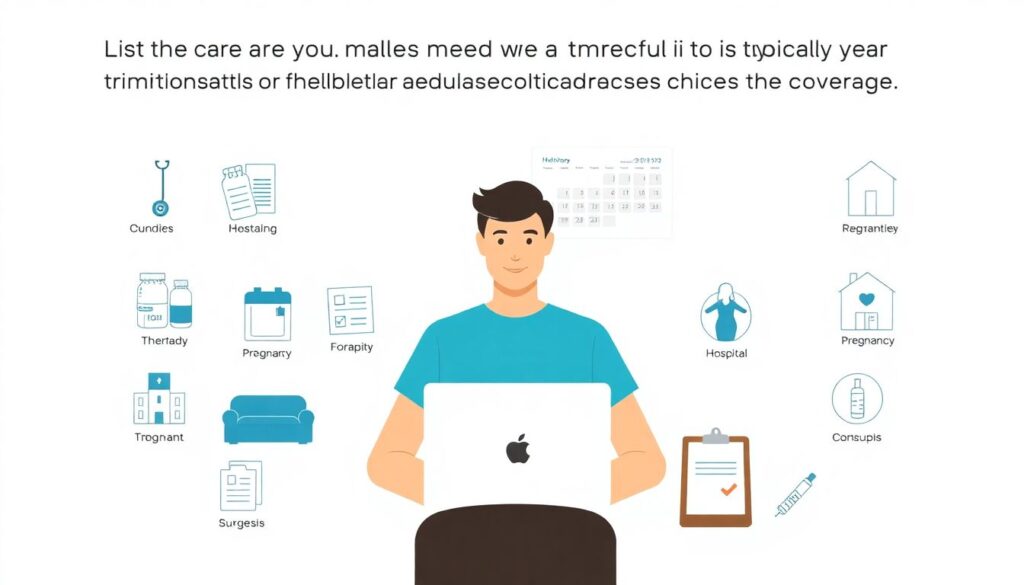
Start by listing the care you really need over a typical year: chronic conditions, medications, therapy, pregnancy plans, planned surgeries, plus routine stuff like checkups and vaccines. This is the baseline that will drive your choice of coverage. Newcomers often underestimate this and pick plans that work only if nothing goes wrong. A more disciplined approach treats expected care as non‑negotiable and then optimizes costs around it.
Predict your usage instead of guessing
Look back at your last 12–24 months of medical bills and insurance statements. Count how many primary care, specialist and urgent care visits you had, plus imaging, lab tests and prescriptions. Even a rough tally helps you test different scenarios and compare health insurance plans to lower premiums effectively. Without this homework, you are comparing plans blindly, and the marketing labels “silver”, “gold” or “bronze” tell you very little about how they will behave for your specific pattern of use.
—
Step 2: Choosing the Right Type of Insurance Plan
HMO, PPO, EPO, HDHP: which trade‑offs fit you?
Different plan types reflect different strategies for saving money. HMOs are usually cheaper but limit you to a narrow network and require referrals. PPOs cost more but buy you freedom to see specialists and go out of network. EPOs sit in between: no referrals but stricter networks. High‑deductible health plans (HDHPs) lower premiums in exchange for higher upfront spending, which can be smart for healthy people who rarely see a doctor and can stash money in an HSA. Each model “saves” money in a different way, and which one wins depends on your behavior, not on the brochure.
When “cheap” plans are actually a trap
It is tempting to chase cheap health insurance plans without high deductibles, assuming you’ve found a loophole in the system. The catch is usually elsewhere: tiny networks, aggressive prior authorizations, or very high copays for specialist care and brand‑name drugs. You might save on paper and then discover your preferred doctor is out of network, or your medication is excluded. The beginner mistake is focusing on one attractive number and ignoring the fine print that governs how often you can actually use the “cheap” benefits without surprise bills.
—
Step 3: Smart Strategies for Individuals vs. Families
How individuals can optimize for flexibility and risk
If you’re single without chronic conditions, you can often afford a bit more risk. A lean plan with a higher deductible and lower premium might be rational if you keep an emergency fund and can access preventive care at low or no cost. In this scenario, the ability to switch plans annually is a valuable option: you can reassess based on any new diagnosis or life event. For individuals, the best savings often come from reducing over‑insurance while keeping catastrophic protection intact.
What really matters for families with kids
Families face a different equation. Children generate frequent but usually low‑severity visits, while adults may have chronic issues. The best low cost health insurance for families often emphasizes a moderate premium, reasonable deductible, and predictable copays for pediatric visits and urgent care. A plan that seems pricier each month can actually be cheaper overall if multiple family members see doctors regularly. The quality dimension matters more here: access to good pediatricians, after‑hours care, and a local hospital you trust are not areas where shaving a few dollars should outweigh reliability and speed of access.
—
Step 4: Using Market Tools to Lower Premiums
Why comparison shopping beats loyalty
Insurance companies quietly count on your inertia. Many people renew the same plan year after year, even as prices creep up and benefits shrink. Taking time once a year to explore new options often produces significant savings with no real drop in quality. Marketplaces, brokers and employer platforms now make it easier to line plans up side by side, but the key is to look beyond color‑coded tiers and drill into numbers that affect you: maximum out‑of‑pocket, preferred drug lists and network scope.
How to compare health insurance plans to lower premiums
A disciplined way to compare plans is to build simple scenarios. For each plan, estimate your total annual cost if: (1) you have a “light” year, (2) a “typical” year and (3) a “bad” year with a hospitalization. Add up premiums plus expected out‑of‑pocket in each scenario. This analytical approach exposes plans that look attractive only in best‑case conditions. It also highlights when paying a slightly higher premium meaningfully lowers your worst‑case financial risk, which is often the trade‑off worth paying for.
—
Step 5: Handling Care When You Don’t Have Insurance
Distinguishing urgent from routine needs
Being uninsured doesn’t have to mean skipping all healthcare, but it does require a more strategic mindset. The first step is separating emergencies, which demand immediate attention, from routine or chronic issues that can be planned and price‑shopped. Many cities have community clinics, retail clinics and telemedicine providers that offer affordable healthcare options without insurance, often at clearly posted prices. Used intelligently, these can maintain acceptable quality at a fraction of hospital pricing.
Negotiating and planning cash‑pay care
Providers increasingly have self‑pay or cash‑pay rates that are far below the “list price” billed to insurance, but they don’t always volunteer this. Calling ahead to ask about self‑pay discounts, payment plans or bundled pricing for procedures can yield substantial savings. Newcomers often hesitate to ask, fearing it is inappropriate, but most front‑desk staff are used to these questions. The quality angle comes from choosing clinics with good reputations and accreditation, not simply the lowest per‑visit price, especially for anything beyond basic primary care.
—
Step 6: Using Preventive Care to Cut Future Costs
Why prevention is still the least expensive “treatment”
Preventive care is simultaneously the most boring and most powerful way to save on healthcare. Regular checkups, blood pressure and cholesterol monitoring, vaccines and cancer screenings catch problems before they demand hospitalizations or expensive drugs. Many insurance plans fully cover a wide range of preventive services because they know it’s cheaper than treating late‑stage disease. Ignoring these benefits to “save time” is a false economy that often leads to higher costs and worse outcomes later.
Building habits that protect both health and wallet
Lifestyle changes—diet, exercise, sleep, smoking cessation—sound like clichés, but their financial impact is real. Fewer complications from diabetes, heart disease or lung conditions mean fewer specialist visits, tests and hospital stays. Instead of thinking about prevention as a moral lecture, view it as a portfolio strategy: small, consistent investments now that reduce the volatility of future medical expenses. Quality of care is not just about the clinic you choose; it is also about the baseline health you bring into that clinic.
—
Step 7: Cutting Medication Costs Without Cutting Corners
Generics, formulary tiers and smarter prescribing
Drug spending is one of the easiest areas to overpay without noticing. Many conditions have equally effective generic medications that cost a fraction of brand‑names, yet patients stay on brands out of habit or marketing. Reviewing your meds annually with your doctor and pharmacist to identify safe generic substitutions can drastically shrink your pharmacy bill. Formulary tiers in your plan documents show which drugs are favored; asking your doctor to choose within those tiers maintains quality of treatment while using the economic rules of your plan to your advantage.
Comparing pharmacies and using discount tools
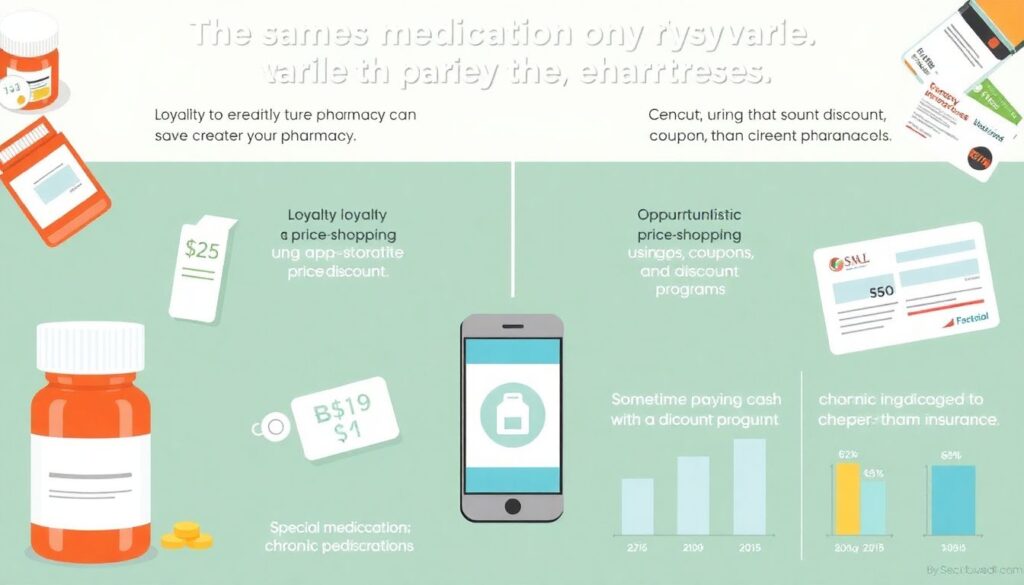
Prices for the same medication can vary widely between pharmacies, and sometimes paying cash with a discount program is cheaper than using your insurance. Here, different approaches compete: loyalty to one pharmacy versus opportunistic price‑shopping via apps and coupons. For chronic medications, a 90‑day mail‑order refill often beats monthly local fills in both price and convenience. The main mistake beginners make is assuming their copay is automatically the lowest possible price; verifying periodically keeps the system honest.
—
Step 8: Evaluating Networks and Quality, Not Just Price
How to judge the real quality of a plan
Quality in healthcare is partly about outcomes, partly about access and coordination. Check whether your primary doctor and key specialists are in network and whether the plan includes reputable hospitals and urgent care centers near you. Look at metrics like patient satisfaction scores, readmission rates and how quickly you can get an appointment. A slightly more expensive plan that offers coordinated care and fast access often prevents expensive complications that a bare‑bones option might miss.
Network breadth vs. cost containment
Plans with narrow networks use one approach to saving money: they negotiate better prices in exchange for sending more patients to fewer providers. Broader networks buy you choice but make cost control harder for insurers. You are effectively choosing between a more curated, constrained ecosystem and a more open, loosely controlled one. There is no universal winner; if your preferred doctors are all inside a narrow network, you may enjoy lower prices without sacrificing quality. If your care is scattered across multiple specialist centers, paying for a broader network might be the protective move.
—
Step 9: Common Mistakes That Quietly Drain Your Budget
Five frequent errors and how to avoid them
1. Ignoring out‑of‑network rules and assuming your plan will “cover something” anyway.
2. Failing to verify that scheduled procedures and imaging are pre‑authorized when required.
3. Going to the emergency room for non‑emergencies instead of urgent care or telehealth.
4. Skipping generic or formulary‑preferred drugs because “the doctor wrote this brand.”
5. Letting medical bills sit unopened, missing errors and deadlines to negotiate.
Each of these errors reflects a mismatch between how people think the system works and how it actually operates. Correcting them doesn’t reduce quality; it simply aligns your behavior with the economic rules the system already uses.
Billing errors and surprise charges
Medical billing is messy, and errors are common. Duplicate charges, miscoded procedures and incorrect network status can add hundreds of dollars to a bill. Carefully reading explanations of benefits and comparing them with provider invoices can uncover mistakes. Calling both the insurer and provider to ask for itemized statements and clarifications often reveals simple coding issues that can be corrected. The time investment feels tedious, but the payoff can rival more dramatic cost‑cutting strategies, without compromising any element of care.
—
Step 10: Special Tactics for Tight Budgets
When every dollar counts
For people on very limited incomes, the usual advice to “optimize your plan” may sound unrealistic. Instead, the priority becomes finding safety‑net resources: community health centers, sliding‑scale clinics, charity programs at hospitals and public health services. These alternatives are not automatically lower quality; many are staffed by experienced clinicians and offer standardized protocols. The trade‑off is often longer wait times or less flexibility in choosing providers, which is a time‑cost rather than a quality‑of‑care cost.
Balancing coverage and cash flow
If your budget is strained, the temptation is to buy the smallest possible plan or none at all. Yet the financial shock of an accident or sudden illness can be devastating. In that context, understanding how to save money on health insurance is more about structuring risk than chasing the lowest premium. A modest plan that caps catastrophic spending can be more protective than zero coverage plus a bit more cash in your pocket. Comparing this with the option of staying uninsured and relying solely on clinics and payment plans is a sobering but necessary exercise.
—
Comparing Approaches: Insurance‑Heavy vs. Cash‑Smart Strategies
The “maximize coverage” strategy
One approach is to invest in more comprehensive insurance: broader network, lower deductible, richer drug coverage. You pay more each month but enjoy stability and predictability. This favors people with chronic conditions, families with children, or anyone who values convenience and lower stress over strict cost‑minimization. The quality of care is generally high, and your main task is to use preventive services and in‑network providers wisely.
The “lean insurance + active management” strategy
The contrasting strategy is carrying a leaner plan and aggressively managing your care: price‑shopping medications and imaging, using urgent care instead of ER, relying more on telehealth, and proactively negotiating bills. This can cut annual costs substantially while maintaining clinical quality, but it demands time, discipline and a tolerance for some financial variability. For healthy, organized individuals, this can be an efficient model; for people already overwhelmed by health issues, it may add unhealthy cognitive load.
—
Bringing It All Together: A Practical Game Plan
A beginner‑friendly sequence of actions
For someone new to all this, a structured approach helps:
1. Map your likely healthcare needs for the coming year.
2. Use those needs to test different insurance scenarios, not just monthly premium differences.
3. Confirm your key doctors and medications fit well with the chosen plan.
4. Build simple habits: always ask about generics, verify in‑network status, and check bills.
5. Reassess annually, adjusting your strategy as your health and finances change.
This sequence is less about finding a perfect plan and more about building an adaptive system that keeps both costs and quality under conscious control.
Quality and savings can coexist—if you’re deliberate
Cutting healthcare costs without sacrificing quality is less about lucky “hacks” and more about understanding incentives. Insurers, hospitals, clinics and pharmacies each have their own economic logic; aligning your choices with that logic lets you access good care at lower cost. By clarifying your needs, choosing an appropriate plan type, using preventive services, managing medications wisely and avoiding common pitfalls, you can treat quality healthcare as a planned investment rather than a series of financial surprises.