
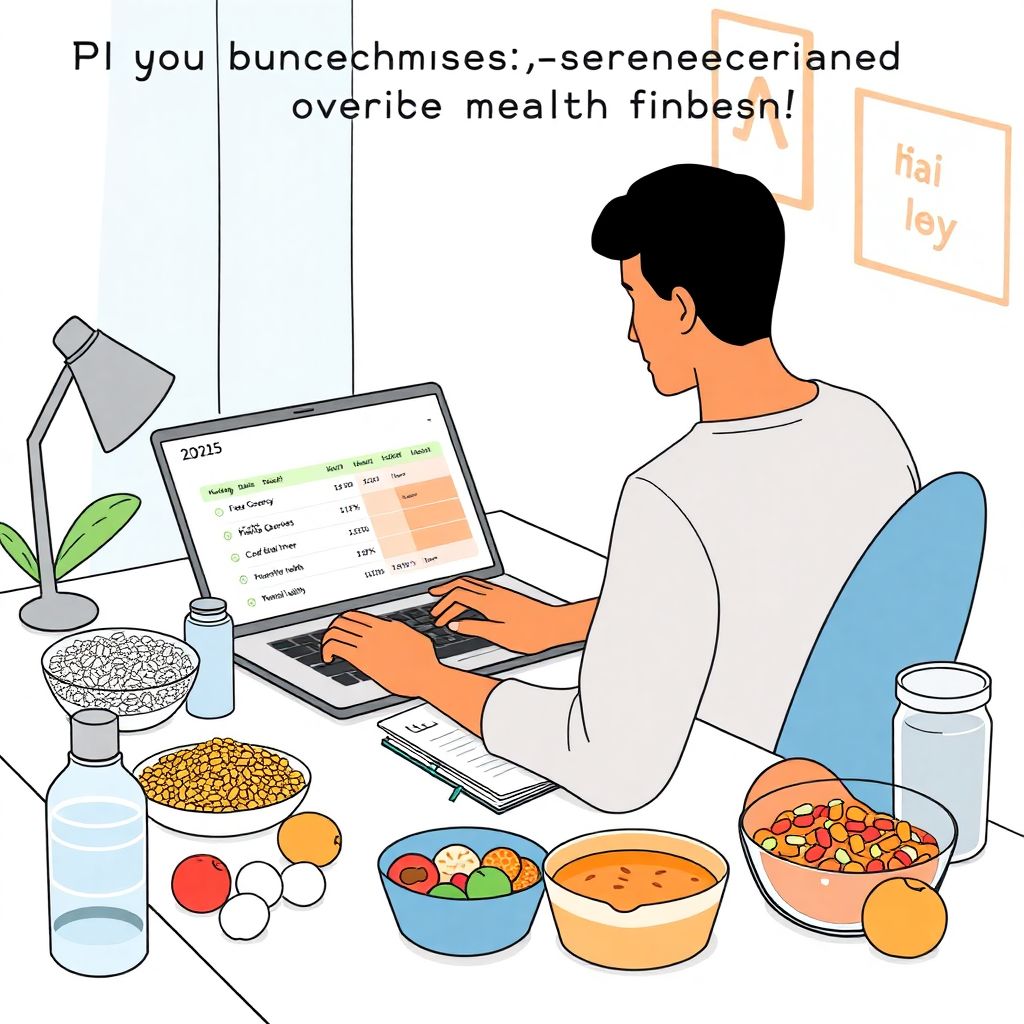
Why Your Money Habits Are Secretly Your Health Habits
Most people try to “fix” health with willpower: a strict diet, a new workout plan, maybe a fancy supplement. Then they hit the same wall — time, energy, and especially money. Healthy food feels expensive, the gym looks like a luxury, and a massage or therapist is “for later, when I can afford it.”
The truth in 2025 is simple: your personal budget is one of your most powerful health tools. If you don’t plan your money around your health goals, you end up funding stress, convenience food, and inactivity by default.
Let’s walk through how to build a budget that *actually* supports your body and mind — without pretending you have unlimited cash.
—
From Bread Lines to Budgeting Apps: A Short Historical Detour
How People Used to Budget (and Why It Mattered for Health)
For most of human history, “budgeting” wasn’t a spreadsheet; it was survival. In agrarian societies people planned harvests, stored grains, and preserved food because a bad season meant hunger, disease, and sometimes death. In a strange way, their entire financial life was automatically aligned with health: if you didn’t plan, you didn’t eat.
Fast‑forward to the early 20th century. During the Great Depression, families kept literal envelopes for rent, food, and medicine. Health was fragile and healthcare basic, so people prioritized food and shelter, often skipping medical care until it was critical. The concept of “wellness” as we know it didn’t exist; it was about not getting sick enough to stop working.
By the 1950s–1970s, as economies grew and processed food exploded in popularity, health and money started to disconnect. Convenience foods were cheap, sugar was everywhere, and sitting all day became normal. Budgets focused on housing, cars, and gadgets; exercise and nutrition were afterthoughts.
By the 1990s and 2000s, gym culture boomed, but budgeting and health were still treated separately. You might have budgeted for rent and debts, then *if anything was left*, you’d pay for a gym or “healthy food.” Wellness became a marketed add‑on instead of a base necessity.
What Changed by 2025
Now, in 2025, a few key shifts have forced money and health back into the same conversation:
– Healthcare costs have climbed, making prevention more valuable than ever.
– Many health insurance plans that cover wellness and preventive care are rewarding people for exercise, screenings, and even nutrition programs.
– Digital tools track your spending and your steps, sleep, and calories side by side.
– People are realizing that burnout, chronic stress, and poor diet are insanely expensive over a lifetime.
We’ve looped back to a very old truth, with modern data to prove it: if your budget ignores your health, you pay for it later — with interest.
—
Basic Principles: How to Make Your Budget Work for Your Body
1. Treat Health as a Fixed Expense, Not a Bonus
If you wait to see what’s left for health at the end of the month, there’s never anything left. Rent, debt, and subscriptions will quietly eat everything.
Instead, when you build your personal budget, put health expenses in the same mental category as housing and utilities. That might include:
– Groceries focused on whole foods
– Preventive healthcare (checkups, meds, therapy)
– Movement (gym, classes, at‑home gear, or apps)
– Sleep and stress tools (blackout curtains, a decent mattress, meditation apps)
It doesn’t have to be expensive; it has to be *intentional*.
2. Start With Your Health Goals, Not With Numbers
Most budgeting advice starts with “track your expenses.” Useful, but incomplete. To support your health goals, reverse the order:
1. Define what “healthy” means for you right now.
Weight loss? Better sleep? Managing blood pressure? Building muscle? Reducing anxiety?
2. Name 2–3 behaviors that actually move the needle.
Example: 30–40 minutes of walking daily, cooking dinner at home 4x per week, therapy once a month.
3. Price those behaviors.
What will they cost in food, transport, equipment, or time?
Only then do you design your budget to make those behaviors realistic instead of aspirational.
3. Simplify: Fewer Decisions, More Routines
Every extra choice costs willpower. A health‑aligned budget is one that lets you default to the right thing:
– Automatic grocery orders with a standard healthy base list
– A recurring transfer to your “health” sub‑account each payday
– Pre‑booked weekly exercise times or classes
You’re building financial rails that your daily life can slide along, with less drama and fewer “I’ll start on Monday” moments.
—
How to Build a Health‑Supportive Budget Step by Step
Step 1: Audit Where Your Money is Quietly Working Against Your Health
For one month (or looking back through statements), mark expenses that clearly pull you away from your health goals. Be honest, not judgmental. You might find:
– Frequent takeout because you’re tired and unprepared
– Sugary drinks, snacks, and late‑night delivery
– Subscriptions you don’t use that crowd out room for better choices
– Expensive but inconsistent fitness spending (drop‑in classes you rarely attend)
This isn’t about guilt; it’s about identifying where you’re paying for short‑term relief and long‑term regret.
Step 2: Decide Your Top 3 Health Priorities and Price Them
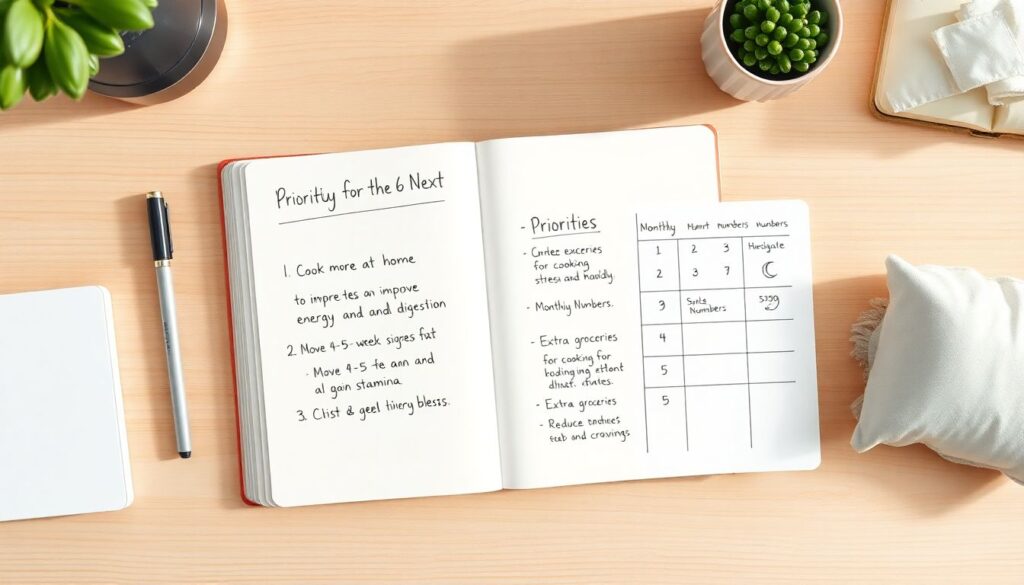
Pick three clear priorities for the next 3–6 months. For example:
1. Cook more at home to improve energy and digestion
2. Move 4–5 days a week to lose fat and gain stamina
3. Sleep better to reduce stress and cravings
Now attach realistic monthly numbers:
– Extra groceries for cooking vs. takeout
– Transportation or membership costs for movement
– One‑time or recurring purchases that protect your sleep (earplugs, curtains, a fan)
Suddenly, “I want to be healthier” turns into specific line items like $40/month for walking shoes over time, or $20/month for a meditation app that keeps you consistent.
Step 3: Use Tech (But Don’t Let Tech Use You)

In 2025, you can lean on tech wisely. The best budgeting apps for healthy lifestyle support do a few useful things:
– Let you create custom categories like “Preventive Health,” “Fresh Groceries,” or “Mental Health”
– Sync with your bank so you see, in real time, how much is left for health this month
– Send gentle alerts when you’re drifting away from your planned health spending
Choose something simple enough that you’ll keep using it when you’re tired or stressed. A clunky, overcomplicated app is worse than a basic notes file you actually update.
—
Eating Well on a Real‑World Income
How to Budget for Healthy Eating on a Tight Budget
Healthy eating doesn’t have to mean organic everything and boutique health stores. It *does* mean being strategic.
Core ideas:
– Base most meals on affordable staples: oats, beans, lentils, eggs, frozen vegetables, rice, canned fish, seasonal produce.
– Limit “health halo” products that are heavily marketed but unnecessary (exotic powders, fancy bars, miracle drinks).
– Plan simple, repeatable meals instead of gourmet experiments.
If cash is tight, it’s even more important to budget *by meal* instead of just “groceries” as a vague lump. Know roughly what each breakfast, lunch, and dinner costs on average.
Affordable Meal Prep Plans for Weight Loss
Weight loss often fails not because people don’t know what to eat, but because chaos wins. Affordable meal prep plans for weight loss usually have three things in common:
1. Repetition. A few meals on repeat to cut costs and decision fatigue.
2. Volume foods. Lots of vegetables, lean proteins, and fiber to keep you full.
3. Bulk buying. Purchasing staples in larger quantities when deals appear.
Example pattern for one week (adapt to your taste and culture):
– Breakfast:
– Oats with frozen berries and peanut butter
– Lunch:
– Big pot of lentil or bean stew with vegetables and rice
– Dinner:
– Baked chicken thighs, roasted frozen veggies, and potatoes
– Snacks:
– Carrot sticks, apples, yogurt, boiled eggs
You don’t have to follow this forever; you’re creating a low‑friction, low‑cost base that fits your budget and helps you stick to your goals.
—
Movement, Fitness, and Not Going Broke
Rethinking Gym Membership Costs and Budget‑Friendly Fitness Options
A gym can be helpful, but it’s not the only route to fitness. Before you commit, run the math and the psychology.
Ask yourself:
– Will I realistically go to this location 2–3x per week?
– What’s the total cost per planned workout over a month?
– Does this environment actually make me feel motivated or intimidated?
Gym membership costs and budget-friendly fitness options need to be weighed side by side. For some people, a mid‑priced gym that’s 5 minutes from home and welcoming is better than a cheap one that’s a 40‑minute commute and soul‑crushing. For others, walking, running, bodyweight training, and cheap resistance bands beat any contract.
Low‑cost movement ideas:
– Daily walks while listening to audiobooks or calls with friends
– Home workouts via free online videos
– Public parks with pull‑up bars or running tracks
– Low‑fee community centers or local sports clubs
The key is consistency. A free plan you stick to is better than a premium membership you ghost.
—
Health Insurance, Prevention, and Long‑Term Thinking
Make Your Insurance Work for Your Health (Not Just Emergencies)
Most people treat health insurance like a fire extinguisher: something you hope you never use. In 2025, that mindset wastes money and health.
Many health insurance plans that cover wellness and preventive care now offer:
– Free or discounted annual checkups and screenings
– Reduced‑cost or no‑cost vaccines
– Mental health sessions
– Discounts on fitness programs, weight loss coaching, or smoking cessation
– Lower premiums if you hit certain activity or screening targets
When you build your budget, treat these benefits like pre‑paid tools. You’re paying for the right to use them; ignoring them is like throwing cash away.
—
Examples: What a Health‑Aligned Budget Looks Like in Real Life
Example 1: The Overworked Office Worker
– Goal: Lose 5–7 kg, sleep better, reduce anxiety.
– Budget moves:
– Cancels two unused streaming services → frees $25/month
– Reduces weekend takeout from 4x to 1x per week → saves ~$120/month
– Redirects $80/month to bulk groceries and basic meal prep
– Buys a kettlebell and resistance bands once, then uses free online workouts
– Books therapy through insurance for the copay already in the budget
Result: Slightly leaner budget on “stuff,” bigger budget on food quality and mental health, still within the same total monthly spending.
Example 2: The Student on a Shoestring
– Goal: Maintain energy, manage stress, avoid weight gain.
– Budget moves:
– Uses campus gym (usually included in tuition) instead of a commercial gym
– Shares bulk staples (rice, pasta, beans, frozen vegetables) with roommates
– Preps simple, cheap meals 2–3x per week and freezes portions
– Uses an ultra‑basic budgeting app to cap eating out at a fixed amount
No fancy supplements, no boutique workouts — just a clear plan that keeps groceries and stress management in the budget instead of as an afterthought.
—
Common Mistakes and Myths About Health and Budgeting
Myth 1: “Healthy Living Is Only for People With Money”
Reality: Money *helps*, but intentionality matters more. Walking, basic home cooking, regular sleep, and stress management can be nearly free. The problem is often not income alone, but unplanned spending that crowds out the essentials.
Myth 2: “I’ll Focus on Health After I Fix My Finances”
This sounds responsible, but it backfires. Ignoring health while you “fix” money usually leads to burnout, more sick days, worse decisions, and higher long‑term costs. Health and money need to be repaired together, not in sequence.
Myth 3: “Budgeting Kills Spontaneity and Joy”
A health‑aligned budget *creates* room for joy by cutting regret. When you know you’ve already taken care of your essentials (including health), spending on small pleasures feels cleaner instead of guilty and chaotic.
Myth 4: “I Need Expensive Tools to Get Results”
Pricey meal kits, high‑end gyms, or designer workout clothes can be nice, but they are accelerators, not foundations. Foundations are: sleep, real food, consistent movement, connection, and stress relief. None of those require luxury spending.
—
Putting It All Together: A Simple 5‑Step Plan
Here’s a compact way to start reshaping your budget around your health goals:
1. Name your top 2–3 health goals for the next 3–6 months.
Be specific: “walk 8,000 steps daily,” “eat home‑cooked dinners M–F,” “reduce panic attacks.”
2. Identify the behaviors that drive those goals and price them.
Calculate the real monthly cost of groceries, exercise, sleep tools, and mental health support.
3. Audit your current spending for “health conflicts.”
Find expenses that regularly push you toward exhaustion, junk food, or inactivity. Trim or replace them.
4. Rebuild your budget with health as a fixed category.
Set monthly amounts for “Fresh Groceries,” “Movement,” “Preventive Health,” and automate transfers if possible.
5. Use tools and routines to reduce friction.
A simple app, recurring grocery lists, pre‑scheduled workouts, and calendar reminders keep you consistent when motivation dips.
—
Final Thought: Your Budget Is a Health Document
If someone looked at your bank statement without knowing you, what story would it tell about how much you value your body and mind?
You don’t need perfection or huge income to create a personal budget that supports your health goals. You need honesty about what matters, a few clear numbers, and the willingness to rearrange your spending so your future self isn’t paying for today’s shortcuts.
Start small, adjust monthly, and remember: every euro or dollar you move toward better food, smarter movement, and real rest is a quiet investment in years of energy you can’t yet see—but you’ll absolutely feel later.