
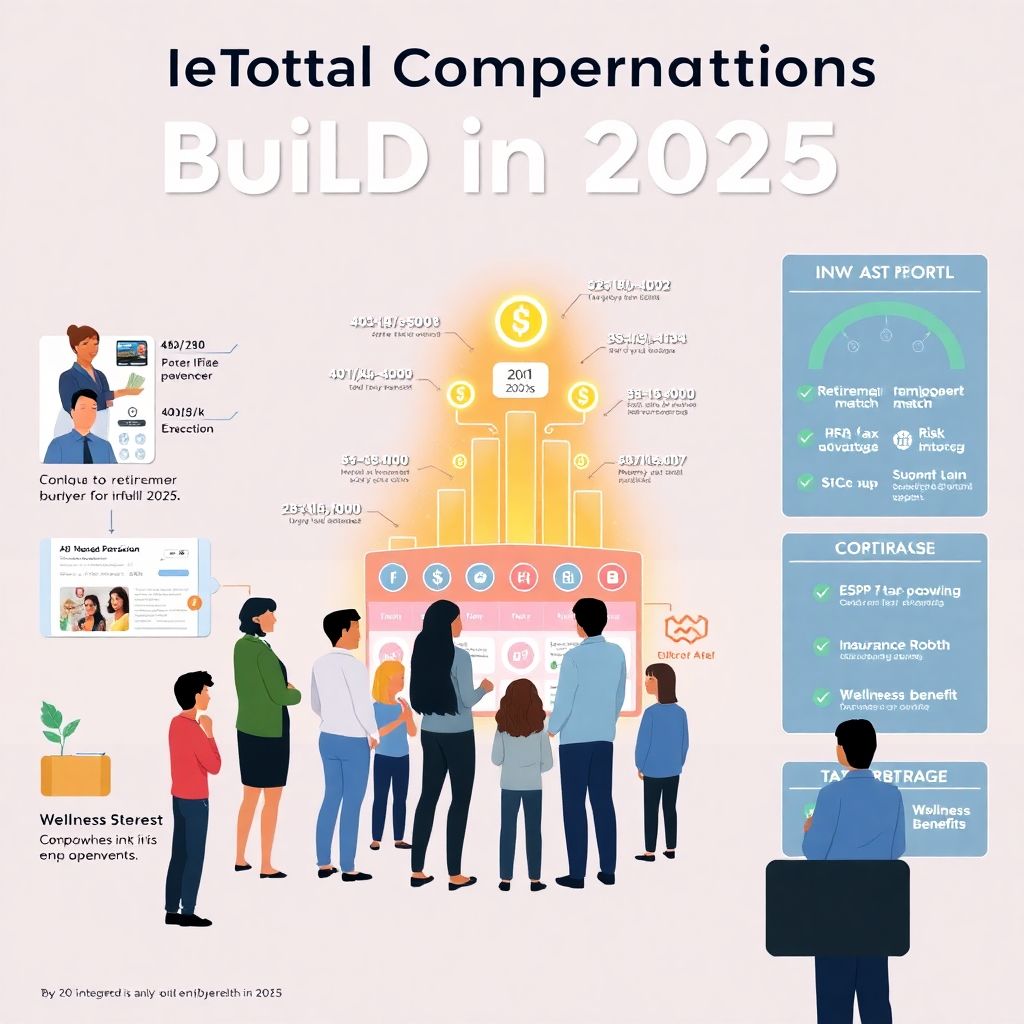
Historical context: how employer benefits became a wealth tool
From pensions to DIY retirement
If you rewind to the mid‑20th century, most long‑term employees in the US expected a defined benefit pension: you worked 30–40 years and your company sent you a check for life. Wealth building through work was largely automatic, but not very flexible. Starting in the late 1970s, with the creation of the 401(k), employers quietly shifted from guaranteeing income to just offering a savings “container.” By the 1990s and 2000s, pensions were fading and defined contribution plans dominated. The responsibility for investment decisions, contribution levels and retirement timing moved from actuaries to individual workers, often without matching financial education.
From crises to 2025: lessons learned
The 2000 tech crash, the 2008 financial crisis and the COVID‑19 shock all exposed how fragile “winging it” can be. Many people were under‑insured, under‑invested in tax‑advantaged accounts and overly concentrated in employer stock. Since then, benefit design has evolved: automatic enrollment, target‑date funds and broader wellness programs became common. By 2025, more firms offer Roth options, Health Savings Accounts, stock purchase plans and student loan support. The modern challenge isn’t lack of options, but learning to treat these programs as an integrated wealth system rather than random HR perks you click through once a year.
Core principles of building wealth with employer benefits
Think in terms of total compensation and after‑tax value
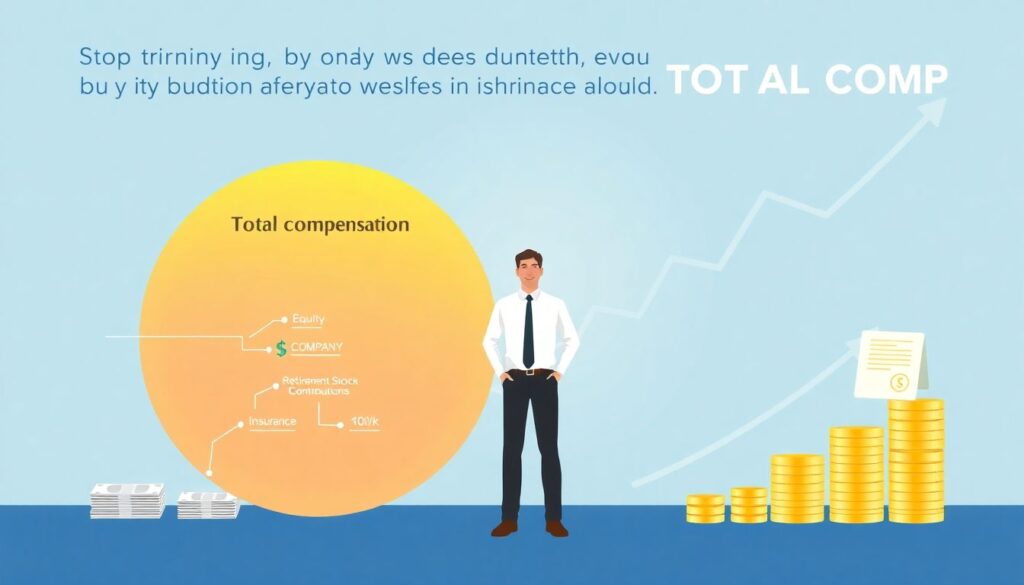
To use benefits strategically, you have to stop thinking only in terms of salary and start evaluating “total comp”: base pay plus equity, retirement contributions, insurance subsidies and tax savings. The best employer benefits for building wealth are those that increase your net worth after taxes with limited risk. That typically means retirement plans, HSAs and employer stock discounts, not just free snacks or lifestyle perks. When you compare job offers, discount future cash flows the way an analyst would: ask how each benefit boosts your long‑run savings rate and reduces annual tax drag, not just how it feels this month.
Compounding, tax arbitrage and risk management
Employer benefits work because they stack three effects: compounding, tax arbitrage and pooled risk. Tax‑advantaged accounts let returns grow with less or no annual taxation, accelerating compounding. Pre‑tax contributions can shift income from high‑earning years to lower‑tax retirement years, while Roth options do the reverse. Insurance benefits use risk pooling to protect you from low‑probability, high‑cost events like disability, cancer or long hospital stays. When you integrate these pieces, you’re not just saving; you’re building a defensive shell around your balance sheet so market returns can work for you without a single health shock or lawsuit wiping you out.
Practical implementation: turning benefits into real wealth
Using retirement plans and matches intelligently
If you’re wondering how to use 401k and employer match to build wealth, start with a simple hierarchy. Step one is almost always contributing at least enough to capture the full match; that’s an immediate, risk‑free return on your contribution. Then decide between pre‑tax and Roth based on your current versus expected future tax bracket. To maximize employer benefits for retirement savings, automate contributions at a level that feels slightly uncomfortable now but sustainable, and ratchet them up after each raise. Use diversified, low‑cost index or target‑date funds unless you have the skill and time to manage a more complex portfolio.
Going beyond retirement: HSAs, ESPPs and other levers
In 2025, serious financial planning using workplace benefits usually includes more than just a 401(k). High‑deductible plans paired with Health Savings Accounts can be powerful tax advantaged employer benefits for wealth building, since HSAs often have triple tax advantages: deductible contributions, tax‑free growth and tax‑free withdrawals for qualified medical expenses. Employee Stock Purchase Plans can turn a modest discount into real equity over time, if you manage concentration risk. Education reimbursement, legal assistance and mental health benefits indirectly support wealth by reducing out‑of‑pocket costs and helping you stay employable and productive through volatile economic cycles.
Common myths and behavioral traps
Misconceptions about risk and time horizons
A frequent misconception is that employer plans are “locked up” and therefore less useful than taxable investing. In reality, the liquidity constraints are a feature, not a bug: they enforce a long‑term horizon that aligns with retirement needs. Another myth is that market risk inside a 401(k) is somehow different from risk in a brokerage account; the underlying securities are the same, only the tax wrapper changes. People also often overestimate how soon they’ll need the money, keeping portfolios too conservative for decades, which can quietly erode purchasing power through inflation and missed growth opportunities.
Inertia, complexity and overconfidence
Most costly mistakes are behavioral rather than technical. Employees leave matches on the table, ignore open enrollment and never rebalance because benefit menus feel dense and jargon‑heavy. Others swing to the opposite extreme, overtrading or concentrating heavily in employer stock because they feel they “know” the company. A practical fix is to follow a simple process: 1) inventory every benefit; 2) rank them by expected after‑tax return or risk reduction; 3) automate usage; 4) review annually. Treat your benefits portal like a control panel for your future balance sheet, not a one‑time HR form you rush through and forget.