
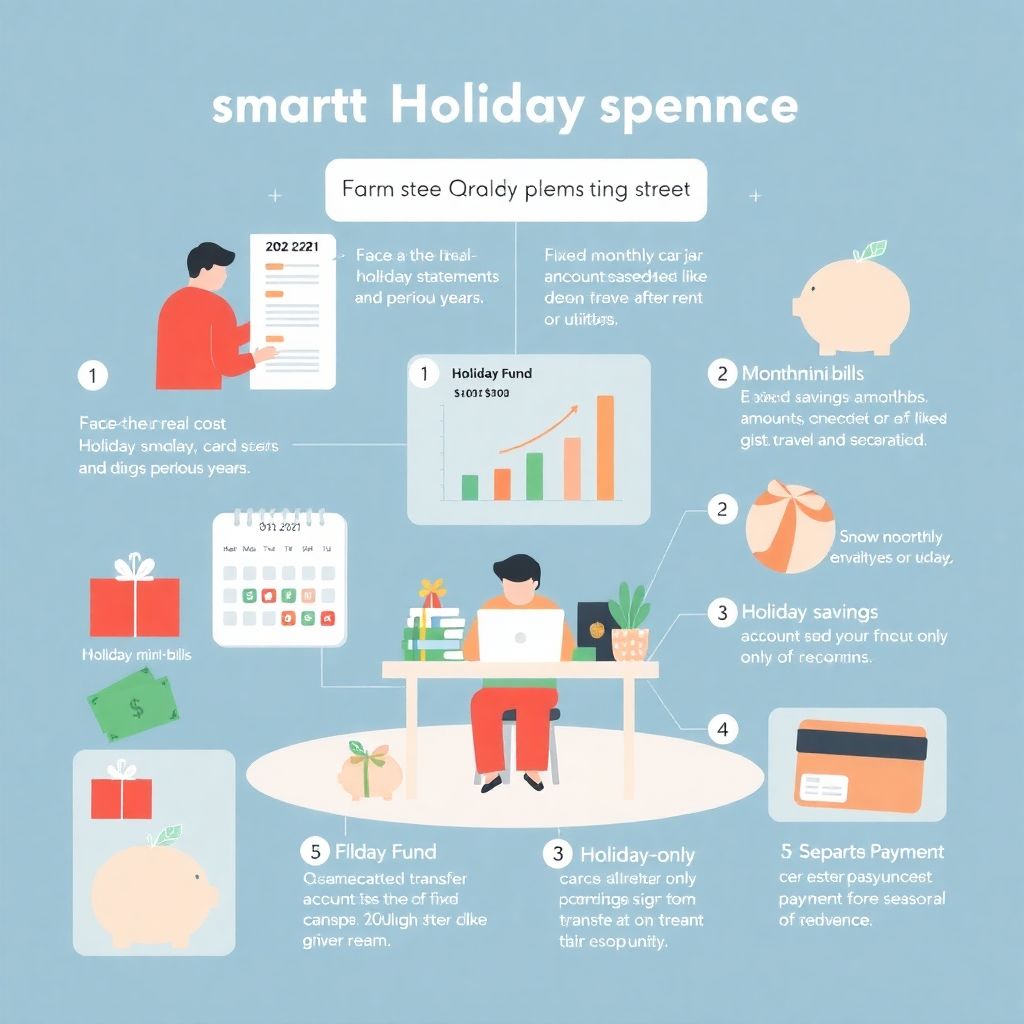
Step 1. Face the Real Cost of Your Holidays
Before you can control seasonal spending, you need to know what it actually costs you. Look back at bank and card statements for the last three holiday seasons. In the US, the National Retail Federation estimates that holiday sales (November–December) grew from about $889 billion in 2021 to $936 billion in 2022 and hit roughly $964 billion in 2023, and that growth is mostly driven by higher prices, not more gifts. If your spending “felt the same,” chances are you quietly absorbed those price increases on food, travel and decorations. Add up everything remotely connected to holidays and festivals: gifts, flights, fuel, outfits, party food, charity, tickets, even gift wrap. That total is your starting point, not the wishful number in your head.
Most beginners underestimate by 20–30%. To avoid this trap, take last year’s actual total and add a 10–15% buffer for inflation and surprises like extra guests or last‑minute outings.
Step 2. Turn Big Spikes into Monthly Mini‑Bills
Now that you have a yearly total, break it into a monthly line item. If your realistic holiday and festival costs are $1,200, then from January you’d set aside $100 a month; if you’re starting in July, double that. Treat it exactly like rent or utilities, not as “optional savings.”
Here’s where a personal finance planner for seasonal expenses becomes useful. That can be a simple notebook, a spreadsheet, or a budgeting app with sinking funds. The key idea is the same: you create a separate “holiday/festival” pot, track every contribution into it, and refuse to raid it for non‑holiday spending. One common mistake is to wait until October and then try to “catch up” in a couple of months; that usually leads straight to credit‑card debt and a nasty January hangover, financial and emotional.
Step 3. Build a Holiday‑Only Savings System
To keep your good intentions from dissolving in day‑to‑day life, automate the process. Many banks now let you open a dedicated holiday savings account to cover festival costs, often with nicknames like “Christmas 2025” or “Wedding season.” Set up an automatic transfer right after payday so you never see that money in your main balance. When it’s time to buy, withdraw only from this pot or connect it to a separate card you use just for seasonal spending. This simple separation protects you from the classic error of thinking “I probably have enough” because your checking account looks healthy. If you share finances, agree as a household that this account is untouchable for anything but holidays and festivals, so nobody drains it for impulse buys.
If cash is tight, start tiny—$20 a month is still progress—and plan to increase the transfer when your income rises or other expenses end.
Step 4. Create a Realistic Holiday Spending Plan
With money flowing into a safe place, decide how you’ll use it. Think of this as drafting your personal rulebook, your own holiday budgeting tips for families, roommates, or anyone you celebrate with. List your major categories: gifts, food and drinks, travel, events, outfits, décor, charity. Then assign each one a cap that fits inside your total pot. For gifts, go further: write down names, a target amount per person, and at least one gift idea. This kind of pre‑planning may feel rigid, but it actually gives you freedom: you know exactly what you can spend without guilt. The big mistake here is copying last year’s habits instead of your current reality; if income dropped or your goals changed, your gift list and travel plans need to shrink accordingly, even if that feels uncomfortable.
Share the plan with key people—partner, close relatives—so expectations match your budget, not social pressure.
Step 5. Use Tools, Not Just Willpower
Relying on memory during sales season is asking for trouble, so put tech on your side. Many of the best budgeting apps for holiday shopping let you create specific categories or “envelopes” for gifts, travel and parties, and then show you, in real time, how much is left. Even a basic notes app plus your banking app works if you actively update it after each purchase. Look for features like spending alerts and category limits, which nudge you before you blow the budget. A frequent beginner error is downloading apps and then never opening them during actual shopping—treat the app as your boss for the season. Before you check out online or at the register, pause and match the purchase to your plan: “Which category is this, and what will the new total be?”
If an item doesn’t fit any category, that’s a sign it might be an impulse, not a real holiday need.
Step 6. Start Early and Shop Strategically
Planning how to save money for Christmas and holiday expenses starts months before twinkle lights appear. Retail data from 2021–2023 shows a steady shift toward earlier shopping, with a growing share of people starting in October or even September to spread out costs and take advantage of staggered discounts. Use that to your advantage: buy non‑perishable gifts and décor when you see a genuinely good deal, not only during the peak “holiday sale” weeks when you’re rushed and emotional. Keep a running list of target items and price points so you know a real bargain when you see it. Watch out for “was $X, now $Y” tags; studies after recent holiday seasons show a lot of those reference prices were never widely charged. Base decisions on your budget and a quick price comparison, not on red labels and countdown timers.
A simple rule: never let a sale create a new purchase—use sales only to lower the cost of something already on your list.
Step 7. Cut Costs Creatively, Not Just Harshly
Slashing the budget doesn’t have to mean joyless celebrations. Focus on where money actually changes the experience. For many families, shared meals and time together matter more than pricey presents, so shift funds from “stuff” to “moments.” Suggest a gift exchange instead of buying for everyone, or set a firm per‑gift cap and lean into thoughtful, lower‑cost options like experiences, homemade items, or framed photos. In surveys across the last three years, a rising percentage of people say they’d prefer smaller, more meaningful holidays and less debt afterward; use that trend as social permission to scale down. Beware of “traditions” that only exist because no one challenged them—like elaborate goodie bags for every event or multiple outfits for each festival. Traditions can be updated; debt sticks around.
Talk openly with friends and relatives about budget limits; you’ll often discover they’re relieved to spend less too.
Step 8. Protect Yourself from Common Money Traps
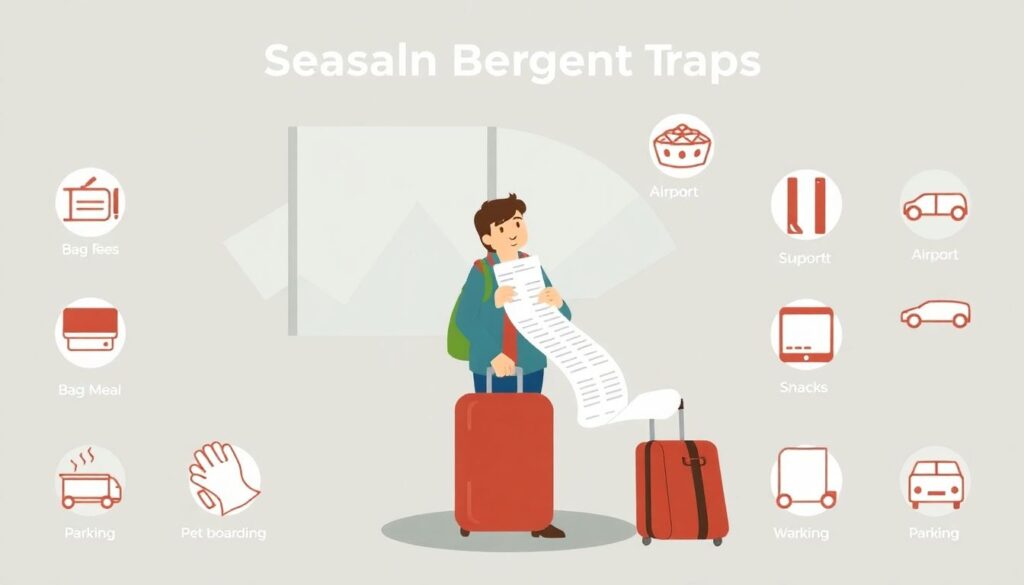
Even with a plan, a few predictable traps can wreck your seasonal budget. First is travel creep: you budget for flights but forget checked‑bag fees, airport meals, rides to and from the airport, and pet boarding. Rail or car trips have the same hidden extras—snacks, tolls, parking. Second is “small gift syndrome,” where low‑priced items pile up until they exceed the cost of one meaningful gift. Third is buy‑now‑pay‑later offers, which exploded in popularity in the 2021–2023 seasons; they feel painless at checkout but stack into heavy obligations in January. Avoid spreading a single holiday across several future paychecks unless you have a clear payoff plan that fits your regular budget. And finally, watch out for charitable giving driven purely by guilt; decide in advance how much you’ll donate and to whom, so every “last‑chance” pitch doesn’t shake your resolve.
When something unplanned but important comes up, consciously reassign money from another category instead of adding new debt.
Step 9. Debrief After the Season (and Adjust)

Once the decorations are packed away, you have one more step if you want each year to get easier. Open your statements and your holiday plan side by side and compare. Did you stay inside your total, or did you overshoot? By how much, and in which categories? If you’re like most people, you’ll find two or three main leak points—often groceries, online “add‑on” gifts, or last‑minute outfits. Note the overspending in numbers, not just feelings. Household surveys over the last three years consistently show that people who review past spending are far more likely to hit future goals, simply because they know where reality diverged from intentions. Then update next year’s monthly saving target based on what actually happened. If you overspent by $300, you either need to increase your monthly transfer or intentionally shrink next year’s celebrations.
Write down two or three specific changes you’ll make next season while the memories—and receipts—are still fresh.
Step 10. Keep It Beginner‑Friendly and Flexible
If all this sounds intense, remember you don’t have to build a perfect system in one year. For beginners, pick just three actions: calculate last season’s total, open a separate account or envelope for holidays, and set a modest automatic transfer. That alone moves you way ahead of most people who only start thinking about money when the first invitation arrives. Over time, layer in more detail—category caps, tech tools, earlier shopping. Think of it as building a muscle; consistency beats complexity. Use a simple personal finance planner for seasonal expenses—digital or paper—to check in once a month for five minutes and confirm you’re on track. When life changes, let your plans change too; new baby, job loss, or a move might mean a smaller or different kind of celebration, and that’s okay.
The goal isn’t a picture‑perfect holiday, it’s a joyful one that doesn’t sabotage the rest of your financial year.
Step 11. Put It All Together
When you combine honest cost tracking, monthly mini‑bills, a holiday savings account, straightforward category caps and a bit of tech‑assisted discipline, seasonal expenses stop being a yearly emergency and become just another planned part of your budget. Use apps and simple rules to steer in real time, rely on early, strategic shopping instead of frantic last‑minute splurges, and have open conversations with the people you celebrate with so expectations match your wallet. The data from the last three years is clear: prices aren’t going back to “the good old days” anytime soon, but stress doesn’t have to keep rising with them. A calm, thought‑through system lets you enjoy holidays and festivals fully, without dreading the first statement of the new year.
And if you slip up this season, treat it as feedback, not failure—adjust the plan, start earlier, and your next holiday cycle will already feel lighter.