
The new era of money: why 2025 is different
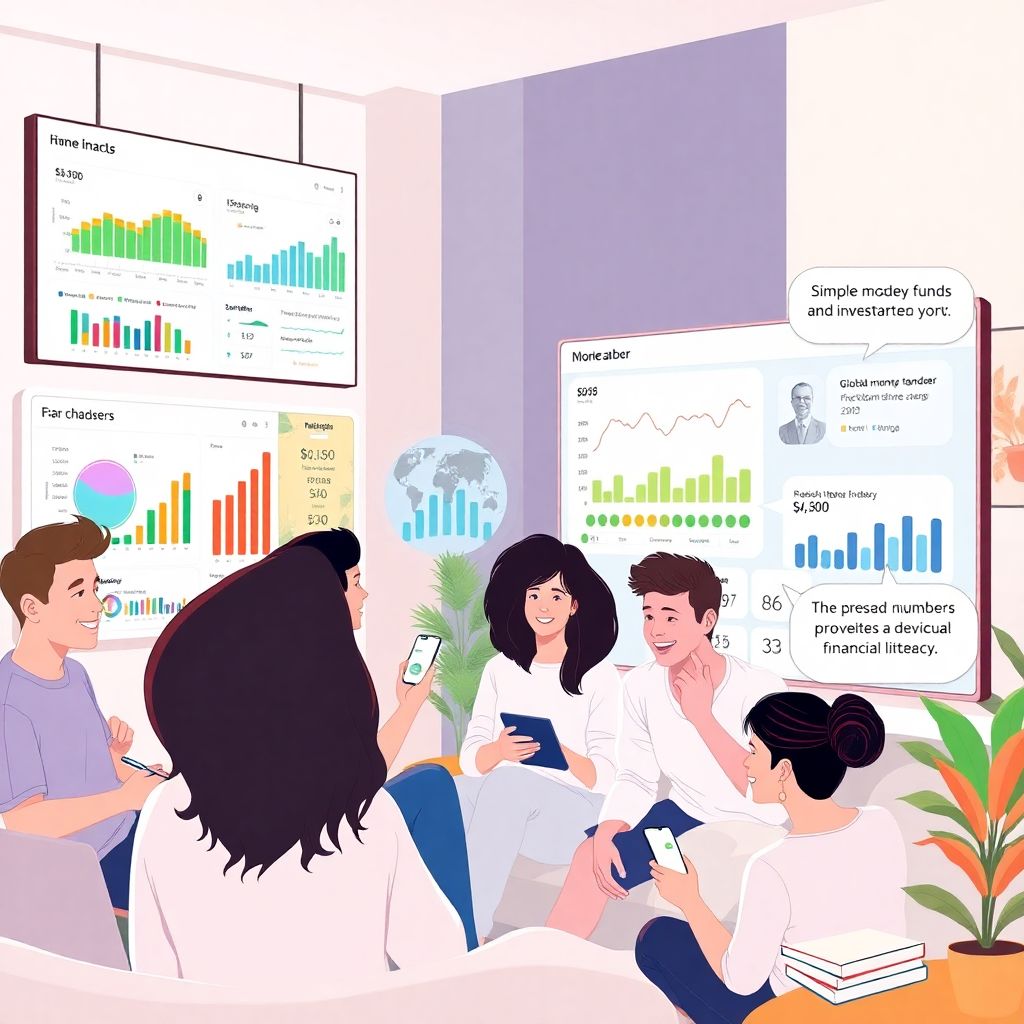
In 2025, talking about money finally stopped being awkward and started sounding more like talking about health: everyone has it, everyone manages it better or worse, and hiding problems only makes them bigger. A century ago people relied on cash in envelopes, in the 1950s credit cards changed habits, in the 1980s mutual funds went mainstream, in 2008 the crisis taught a harsh lesson about debt, and the 2020 pandemic showed how fragile “stable” jobs can be. Now personal finance for beginners 2025 is shaped by apps, cheap index funds and AI tools that explain numbers in plain language. The good news: you don’t need a finance degree; you need curiosity, a bit of discipline, and a simple system you actually follow. Money becomes less about status and more about freedom: choosing projects, geography and lifestyle, instead of letting a paycheck dictate every move.
From chaos to clarity: building your first money map
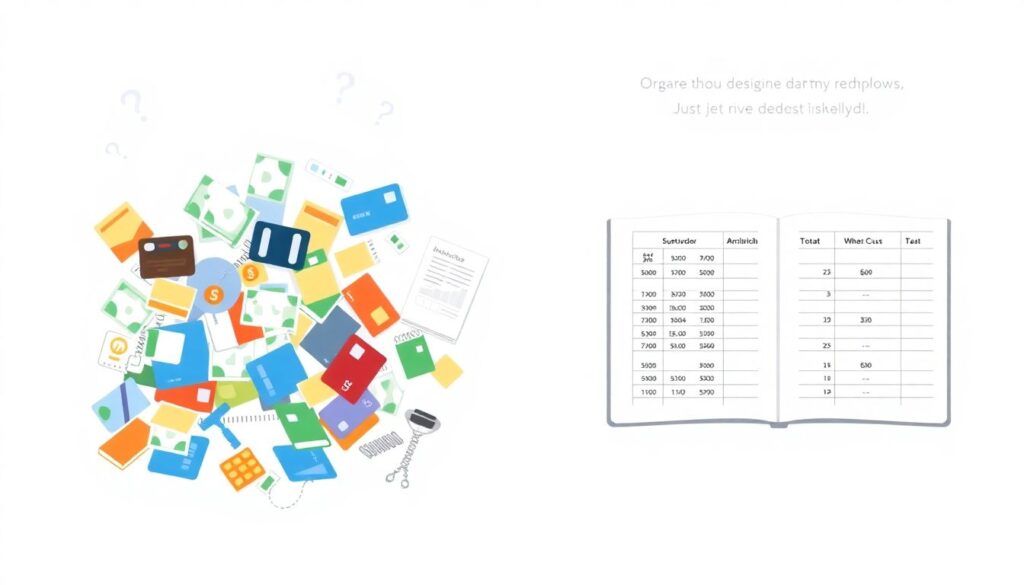
Most people start with a mess: scattered accounts, random subscriptions, vague guesses about where the salary disappears. Instead of feeling guilty, treat this as raw data. The first step by step financial planning for beginners is boring but powerful: list your monthly inflows and outflows, separate fixed costs (rent, utilities, minimum debt payments) from flexible ones (food, transport, entertainment) and compare them to your income. Aim for a simple rule: “Pay myself first” through automatic transfers to savings right after payday, not at month‑end leftovers. This money map lets you see trade‑offs: if streaming services eat as much as a weekend trip, you’re not “bad with money”, you just didn’t see the numbers. Once you see them, you can consciously redirect cash to goals like an emergency fund, debt payoff or your first investments instead of leaking it on autopilot.
Budgeting without misery: technology that actually helps
A budget is not a digital punishment diary, it’s a feedback loop. The best budgeting apps for beginners 2025 focus on automation and behavior, not spreadsheets for their own sake. They connect to your bank, categorize expenses, highlight patterns and even nudge you when you’re about to break your own rules. The trick is to choose a tool that matches your personality: some people like zero‑based budgeting where every dollar gets a job, others prefer broad “buckets” for necessities, fun and growth. Think of the app as a dashboard: if you drove a car with no speedometer or fuel gauge, you’d either crawl in fear or constantly run out of gas. With a clear view of your finances, you don’t have to track every coffee forever; you watch trends, adjust two or three categories and use saved energy for real decisions instead of counting receipts.
Starting small: investing when your budget is tight
The major psychological barrier for many is the feeling that investing is only for people who already have money. That belief is outdated. Platforms designed around how to start investing with little money 2025 allow you to buy fractional shares, start index fund positions from a few dollars and automate recurring contributions so you don’t rely on willpower. Historically, someone calmly buying broad market funds through wars, crises and bubbles almost always beat those jumping in and out on headlines. Inflation silently eats cash; investing is how you push back. Begin with an emergency cushion in a safe account, then pick a simple global index fund or target‑date fund instead of chasing “the next Tesla”. Your early focus is not picking perfect assets; it’s building the habit and time in the market. Tiny sums today train the muscle that will move thousands later.
Learning the game: turning information into skills
There has never been more noise about money, but also never more structured help. Good beginner personal finance courses online can compress years of trial and error into a few weeks of focused learning. Look for programs that cover behavior, debt, investing basics and risk management, not just formulas or exotic products. Mix formats: a course for frameworks, a couple of solid books for depth, and a handful of long‑form podcasts for real‑world nuance. Historically, financial literacy was a privilege reserved for insiders; now the barrier is more about attention than access. Treat learning about money like learning a language: daily small doses beat rare “marathons”. When you start to understand terms like “compound interest”, “expense ratio” or “diversification” well enough to explain them to a friend in simple words, you’re already ahead of most of the population.
Inspiring stories: ordinary people, deliberate choices

Consider Lena, a designer who in 2021 had two credit cards maxed out and zero savings. Instead of chasing a miracle, she followed a methodical plan: one afternoon she mapped every debt, then set up automatic payments slightly above minimums and used freelance gigs to attack the smallest balance first. Within three years she cleared all consumer debt, built a six‑month emergency fund and started investing in index ETFs. Another example is a small community project in 2023 where a group of friends created a peer study circle: each month they met to review expenses, share app setups and discuss one topic from a book on money. By 2025, several members launched side businesses, negotiated raises and funded relocations abroad. These cases prove the core idea: consistent, transparent tracking plus modest, repeated improvements outweigh isolated heroic efforts or lucky breaks.
Designing your personal money system for 2025 and beyond
Think of your finances as a project with phases, not a single moment of “sorting everything out”. Start with defense: emergency fund, insurance, debt control. Then offense: income growth, investing, skills. A simple step by step financial planning for beginners framework is: diagnose (where you are), define (what you want in 3–10 years), design (rules for spending, saving, investing), and delegate to automation wherever possible. In 2025, AI‑driven tools can simulate scenarios: what happens if you increase savings by 3%, change job, move city. Use them, but remember: tools suggest, you decide. The real goal is not owning certain assets, but creating a life where money supports your priorities. When each paycheck already knows where it’s going before it arrives, stress drops sharply, and the space freed in your head can finally be used for work, creativity and relationships instead of constant quiet anxiety.