

Understanding Financial Independence in the Post-College Era
Historical Context: From Economic Booms to Student Debt Crisis
The journey toward financial independence for college graduates has changed dramatically over the past century. In the mid-20th century, particularly after World War II, higher education in the United States became more accessible, thanks in part to the GI Bill and expanding public university systems. Graduates entering the workforce in the 1950s and 60s often found stable employment with minimal student debt. However, by the late 20th century, as tuition costs soared and the job market grew increasingly competitive, the financial landscape for young adults shifted significantly.
By the early 2000s, student loan debt had ballooned into a systemic issue. In 2025, the average college graduate carries over $35,000 in student debt, and while inflation-adjusted wages have remained largely stagnant, the cost of living in urban areas has surged. These economic headwinds mean that today’s graduates must possess not only academic knowledge but also financial acumen. Managing finances effectively is no longer optional—it’s critical for long-term stability.
Essential Tools for Financial Organization
Digital Budgeting Platforms and Banking Apps
In the digital age, a wide array of tools can help streamline financial management. Budgeting apps like YNAB (You Need A Budget), Mint, and Monarch Money provide visual overviews of income, expenses, and savings goals. These platforms often sync with your bank accounts, automatically categorizing transactions and identifying spending patterns. For those new to budgeting, they offer a low-barrier introduction to financial planning.
Modern banking apps also include features that were once exclusive to personal finance software. Many now offer real-time spending alerts, savings round-ups, and credit score monitoring. In addition, investment platforms like Betterment and Fidelity Go allow users to begin building wealth with low fees and minimal starting capital. By integrating these digital tools into daily life, graduates can maintain visibility and control over their financial standing.
Credit Score Trackers and Student Loan Dashboards
Understanding and improving one’s credit score is fundamental. Tools such as Credit Karma or Experian provide free access to credit scores and detailed reports, helping graduates monitor their financial behavior. Moreover, student loan servicers now offer online dashboards where borrowers can view balances, track interest accrual, and arrange payment plans. These resources are indispensable for staying ahead of debt obligations and planning for future milestones, such as homeownership.
A Step-by-Step Process to Achieve Financial Stability
Step 1: Assessing Your Financial Situation

Before taking action, it’s crucial to conduct a full audit of your finances. This includes calculating your monthly income after taxes, listing all outstanding debts (student loans, credit cards, car payments), and documenting fixed and variable expenses. Such a snapshot provides the foundation for all subsequent decisions. Often, graduates are surprised to discover how much of their budget is consumed by discretionary spending, highlighting areas for immediate adjustment.
Step 2: Building a Realistic Budget
Once you’ve gathered your data, the next move is to create a sustainable budget. A popular method is the 50/30/20 rule: allocate 50% of income to needs (rent, groceries, utilities), 30% to wants (social outings, subscriptions), and 20% to savings and debt repayment. However, this model can—and should—be adapted to personal circumstances. For instance, if student loan payments are particularly high, reducing discretionary spending to 20% or less may be necessary. The key is consistency and periodic review.
Step 3: Establishing an Emergency Fund
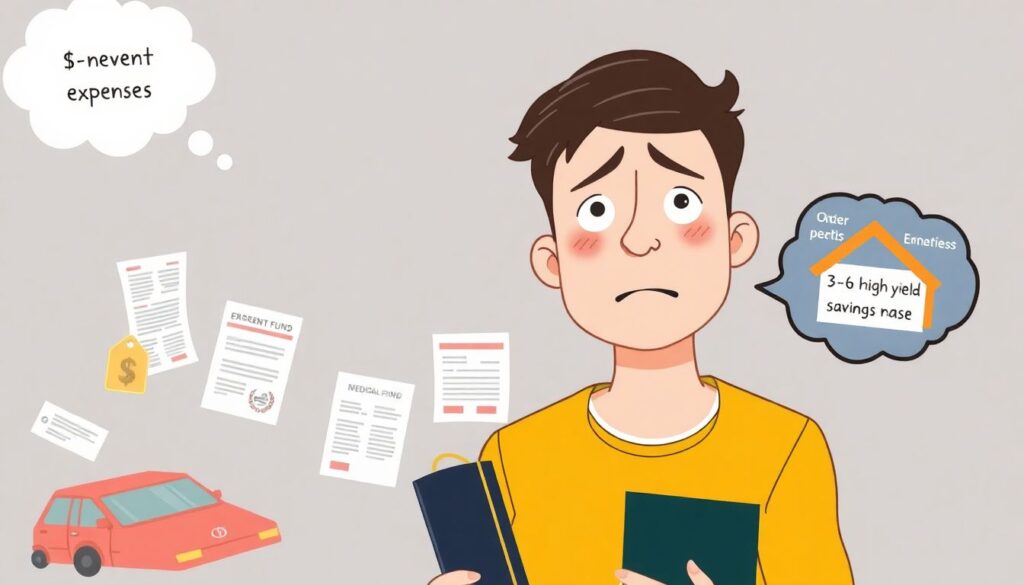
Unexpected expenses are inevitable, and without an emergency fund, even minor setbacks can lead to significant financial strain. Experts recommend setting aside three to six months’ worth of essential expenses in a high-yield savings account. For new graduates, this goal may seem daunting, but even small, regular contributions can accumulate over time. Prioritizing this fund ensures financial resilience and reduces dependency on credit cards or loans during crises.
Step 4: Tackling Debt Strategically
Debt repayment should be approached with a clear strategy. Two common methods are the debt avalanche and debt snowball. The avalanche method targets debts with the highest interest rates first, minimizing long-term costs. The snowball method focuses on eliminating the smallest debts quickly for psychological motivation. Whichever approach is chosen, automating payments and avoiding missed due dates is essential for maintaining a healthy credit score and avoiding penalties.
Step 5: Investing in the Future
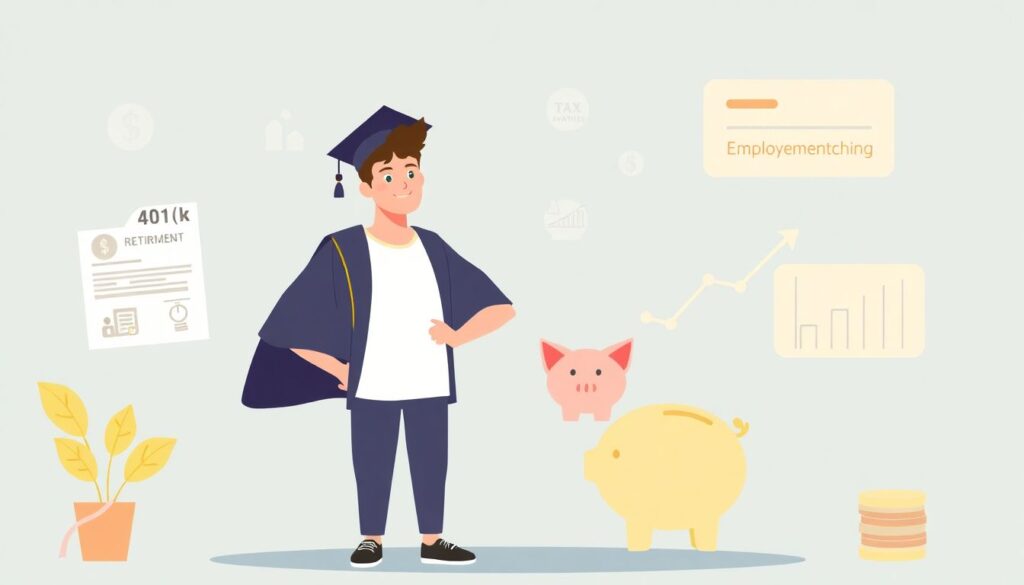
After stabilizing your immediate finances, the final step is to start investing. For most graduates, employer-sponsored retirement plans like 401(k)s are the easiest entry point, especially when matched by employers. If such plans aren’t available, individual retirement accounts (IRAs) offer tax-advantaged growth. Beginning to invest early, even with modest amounts, allows time for compound interest to work in your favor—an invaluable tool for wealth accumulation.
Troubleshooting Common Financial Setbacks
Dealing with Irregular Income
Many new graduates enter the gig economy or work freelance jobs, leading to irregular income streams. To manage this, create a “base budget” that covers only essential expenses and use any surplus for savings or discretionary spending. It’s also wise to maintain a buffer account equivalent to one month of income to mitigate cash flow gaps. This approach builds flexibility into your financial system and prevents reliance on high-interest credit during lean months.
Managing High Student Loan Payments
For those overwhelmed by student loans, options like income-driven repayment (IDR) plans or refinancing can offer relief. IDR adjusts monthly payments based on income and family size, while refinancing through private lenders may reduce interest rates—though it sacrifices federal protections. Before making changes, it’s vital to compare options thoroughly and consider long-term implications, particularly regarding forgiveness eligibility or deferment during hardship.
Handling Unexpected Expenses Without Derailing Progress
Even with careful planning, emergencies such as medical bills or car repairs can threaten financial stability. In such cases, prioritize essential expenses and reevaluate your budget temporarily. If necessary, negotiate payment plans with service providers or explore local assistance programs. Avoid panic-driven decisions like cashing out retirement accounts or opening high-interest loans, as these often create more harm than good over time.
Conclusion: Building Confidence Through Financial Literacy
For the class of 2025, managing personal finances is both a challenge and an opportunity. The landscape is complex, shaped by historical shifts in education, employment, and the economy. But with the right tools, a step-by-step approach, and the resilience to troubleshoot obstacles, new graduates can lay the groundwork for a secure financial future. Financial literacy is not a one-time achievement but a lifelong process of learning, adapting, and growing. By embracing this mindset early, graduates empower themselves not just to survive—but to thrive.