

Understanding Credit Builder Cards
What a Credit Builder Card Actually Does
A credit builder card is a regular-looking credit card that’s designed for people with thin or damaged credit files. Instead of focusing on rewards, its main job is to report your on‑time payments and low balances to the credit bureaus every month. Over time, those small, repeated “good behavior” signals help lift your score. When people talk about the best credit builder card, they usually mean one with low or no annual fee, reporting to all three bureaus, and clear rules, not flashy perks. Think of it as training wheels for responsible borrowing, not a shortcut to free money.
Credit Builder Cards vs Other Tools
There are plenty of ways to build credit: credit‑builder loans, rent‑reporting services, co‑signers, even buy now, pay later plans that report to bureaus. The big difference is flexibility. With a credit builder card, you can make many small purchases each month, then pay them off, creating a steady stream of positive data. Loans and installment plans give you fewer data points because they report only one fixed payment monthly. If you’re trying to figure out how to build credit fast with a credit card, that higher “frequency” of positive reports is the secret weapon, as long as you don’t overspend and keep your balance under 30% of the limit.
Using a Credit Builder Card Step by Step
Setting It Up the Smart Way
When you first get a credit builder card for bad credit, don’t rush to swipe it everywhere. Start by automating one small, predictable bill, like a streaming service or phone plan, and set up automatic payment in full from your checking account. This does two things: it proves you can handle credit, and it removes the risk of forgetting a due date. Enable alerts for balance, due date, and when you’re close to 30% utilization. That 30% rule matters more than most people think: keeping your reported balance low is often the difference between your score crawling and your score jumping within a few months.
Daily Habits That Move Your Score
Day‑to‑day, treat your credit builder card like a debit card with a delay. Before you tap or swipe, check the cash in your account; if you wouldn’t pay it in cash today, skip it. Pay several times a month instead of once, especially right before the statement date, so bureaus see a small balance. Never carry a balance “for the sake of credit”; that’s a myth and just costs you interest. Over three to six months of disciplined use, many people see their first real bump from credit cards to improve credit score quickly, not because of tricks, but because of boring consistency that scoring algorithms love.
Comparing Different Strategies to Build Credit
Credit Builder Card vs Secured Card vs Loan
A credit builder card is usually unsecured but with low limits and stricter rules. A secured credit card to build credit requires a cash deposit as collateral, typically equal to your limit. If your history is seriously damaged or you have no score, a secured card can be easier to get approved for, and some even graduate to unsecured after a year of good behavior. Credit‑builder loans, meanwhile, lock your payments in a savings account you get later; they help, but they don’t train your day‑to‑day spending habits. If you want practice using revolving credit responsibly, cards beat loans hands down.
Combining Methods Without Overdoing It
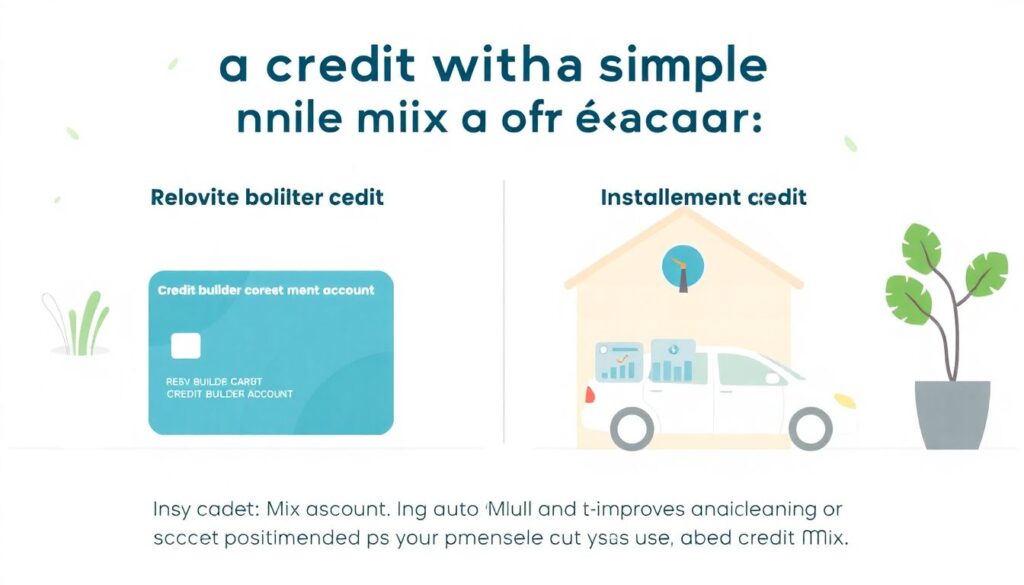
Stacking tools can work well, but only if you keep it simple. Many people pair one credit builder card with one installment account, like a small credit‑builder loan or an auto loan they already have. That mix of “revolving” and “installment” credit hits an extra factor in your score: credit mix. In 2025, rent‑reporting apps and some BNPL services also help fill out your profile, but they shouldn’t replace a primary card. Opening three new accounts at once just creates hard inquiries and confusion. Two or at most three well‑managed lines are usually enough to send a clear, strong signal to the bureaus.
Choosing the Right Card and 2025 Trends
How to Pick the Best Card for Your Situation
When choosing the best credit builder card for you, ignore flashy ads and look at the unsexy details: annual fee, security deposit (if any), penalty APR, late fees, and whether the issuer reports to all major bureaus. For beginners, a simple, low‑fee card from a mainstream bank or reputable fintech is usually better than a store card with a high interest rate. If approvals are tough, start with a secured offer that can later convert to an unsecured line. Review upgrade paths carefully; some issuers automatically increase your limit and return your deposit after six to twelve months of on‑time payments.
New Trends and Tech Shaping Credit Building in 2025

In 2025, credit builder cards are getting smarter. Many apps now pair your card with real‑time coaching, nudging you when your utilization creeps up or you’re about to miss a date. Some fintechs use alternative data—like subscription and utility payments—to adjust your limits faster, which can speed up progress if you handle that new limit wisely. You’ll also see more hybrid products that blur the line between a traditional builder card and a secured credit card to build credit, letting you start with a deposit and then partially “unlock” additional unsecured limits. Used carefully, these evolving tools can accelerate your path to a healthy, durable score.