

Understanding Your Money Reality
Map Your Income and Essential Costs
Before you even touch your debts, you need a crystal‑clear picture of your cash flow. Print three months of bank and card statements and highlight every source of income in one color and every fixed bill in another. Experts in financial counseling say most people underestimate “little” expenses by 20–30%, so round questionable items up, not down. Split costs into survival (rent, food, utilities, transport, meds) and lifestyle (subscriptions, eating out, impulse shopping). Your goal is to see what’s truly non‑negotiable and what can be trimmed. This honest snapshot becomes the backbone of your debt payoff planner and protects you from making a plan that only works on paper but collapses after two weeks in real life.
Define Your Realistic Payment Capacity
Now take your monthly net income and subtract your survival expenses first. Whatever is left is the pool for debt and lifestyle spending combined. From there, decide how much you’re genuinely willing to commit to debt each month. CFPs often suggest a number that feels “a bit uncomfortable but not painful” so you can stick with it long term. If the leftover amount is tiny or negative, you’ve discovered why debt keeps growing: the math simply doesn’t work yet. In that case, your debt payoff plan must start with freeing cash—cutting recurring costs or boosting income—before chasing the best debt repayment strategies. A plan that respects your limits is slower at first, but far more likely to succeed.
Tools You Need Before You Start
Basic Financial Toolkit
You don’t need fancy software to start, but you do need a minimal toolkit and some structure. At the simplest level, use:
– A notebook or spreadsheet for tracking balances, due dates, and interest rates
– Calendar reminders so no payment is ever late
– A separate “bill account” to isolate money meant for essentials and debt
Financial coaches say that just seeing all your balances in one place reduces anxiety and helps you make smarter decisions. Write down every debt: lender, balance, interest rate, due date, and minimum payment. This single overview turns a chaotic cloud of worries into a list you can actually manage. Once that’s done, you’re ready to plug numbers into an online debt payoff calculator and experiment with scenarios without risking real money.
Digital Helpers and Calculators
Technology can make the process far less overwhelming. Budgeting apps categorize your spending automatically and show you, in brutal honesty, where your money leaks out. Plug your balances and interest rates into an online debt payoff calculator to test different strategies: higher payments, lump‑sum contributions, or switching payoff order. Many planners recommend choosing one or two apps you actually like and checking them weekly, instead of installing five and ignoring all of them. If you prefer analog, you can still use digital tools just for calculations and forecasts, then record the simplified results on paper. The mix doesn’t matter; consistent tracking does. Digital helpers turn vague wishes into specific, time‑stamped goals.
Step‑by‑Step Debt Payoff Plan
Choose Your Payoff Strategy
With your numbers in front of you, it’s time to choose how you’ll attack the debt. Experts usually point to three of the best debt repayment strategies:
– Snowball: Pay off the smallest balance first for faster wins and motivation
– Avalanche: Pay off the highest interest rate first to save the most money
– Hybrid: Mix both—prioritize high interest but sneak in an occasional small win
Behavioral economists often favor the snowball method for people who struggle to stay motivated; the quick victories keep you engaged. Mathematically minded folks might prefer the avalanche for its interest savings. A hybrid approach can balance emotion and math. Whatever you pick, commit for at least several months before judging if it “works”; constantly switching methods is a subtle form of procrastination disguised as optimization.
Align Payments With Your Actual Income
Your debt payoff planner should reflect *when* money hits your account, not just *how much* you owe. If you’re paid biweekly, consider splitting your monthly debt payment into two equal parts and scheduling each right after payday. This lowers the risk of accidentally spending what was meant for your card or loan. Many financial therapists suggest automating the minimum payments and then manually sending the “extra” payment to your current target debt. That way, you always stay current, but you still feel actively involved in the process. Use calendar alerts a few days before each due date to double‑check balances and adjust if, say, a utility bill was higher than expected.
Adjust for Irregular or Low Income
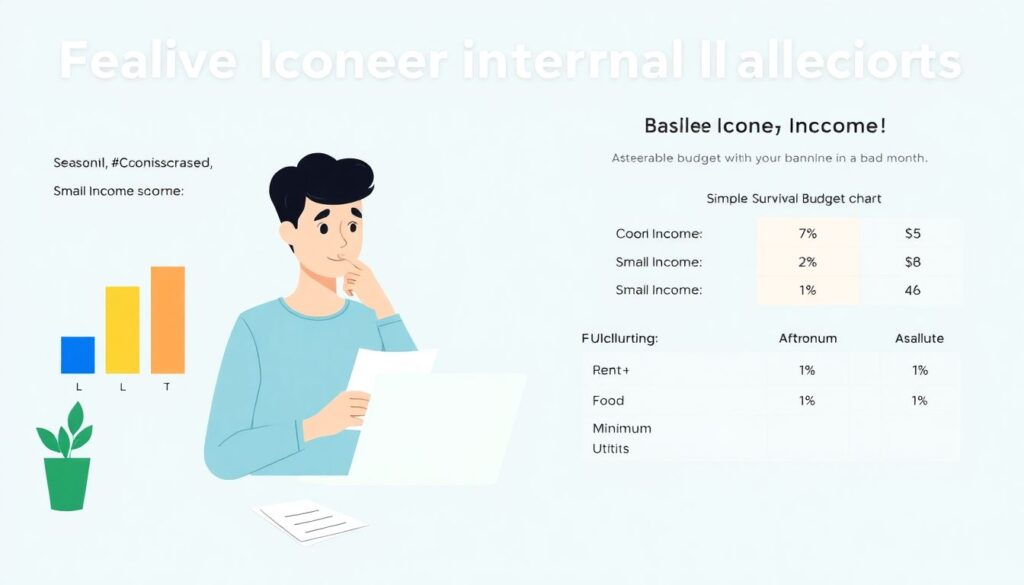
If your income is seasonal, commission‑based, or simply small, the plan needs more flexibility. Start by identifying your *baseline* income—the amount you can reasonably count on even in a bad month. Build your survival budget around that number and set your minimum debt payments so they’re affordable even during slow periods. Any amount above that baseline becomes “bonus income” you can throw at debt. Specialists who coach freelancers on money management often recommend building a one‑month emergency buffer before trying to figure out how to pay off debt fast with low income; this cushion stops you from falling back on credit whenever a client pays late or a shift is canceled. Your plan should breathe with your income, not break because of one rough month.
Troubleshooting and Staying on Track
When Progress Stalls
At some point, you’ll hit a plateau: expenses spike, income drops, or you simply burn out. Instead of labeling it failure, treat it like a data check. Review the last two or three months: Did spending creep up? Are minimums rising due to new charges or interest? Coaches suggest a quick monthly “money meeting” with yourself where you:
– Recalculate how much you can send to debt next month
– Decide one specific expense to cut or pause temporarily
– Celebrate *any* progress, even if it’s just staying current
If you’re consistently stuck or adding new debt, that’s a sign the plan is too tight. You may need to extend your timeline, add a side gig, or renegotiate recurring bills. Flexibility keeps the system alive.
When to Consider Outside Help
Sometimes the math simply refuses to work, especially if high‑interest balances eat most of your payment. That’s when it makes sense to explore options like reputable nonprofit credit counseling or even vetted debt consolidation programs near me. Professionals can help you lower interest rates, combine multiple payments into one, or create a formal hardship plan with your creditors. Be wary of anyone promising instant fixes or telling you to stop paying your bills altogether without explaining the risks. Many experts recommend you exhaust simpler steps—budget adjustments, income boosts, negotiation with lenders—before signing up for any formal program. The right help at the right time can turn a crushing situation into a manageable plan, but staying informed keeps you in control of every decision.