
An emergency fund is cash set aside for true surprises, not routine bills. If you want a simple rule, then start with 3-6 months of essential expenses in a safe, liquid account. If your income is unstable or you have dependents, then aim higher and keep it in low‑risk, easy‑access savings.
Core Principles of Emergency Funds
- If an expense is unexpected, necessary, and urgent, then it can qualify for emergency fund use.
- If you lose income, then your emergency fund should cover basic living costs for several months.
- If money is hard to access or can lose value quickly, then it is not ideal for emergencies.
- If you carry expensive high‑interest debt, then balance building your emergency fund with paying that debt down.
- If your life situation is riskier (variable income, dependents, health issues), then your target fund size should be larger.
- If you tap the fund, then you should have a clear plan to rebuild it as soon as possible.
How Emergency Funds Work: Purpose and Mechanics
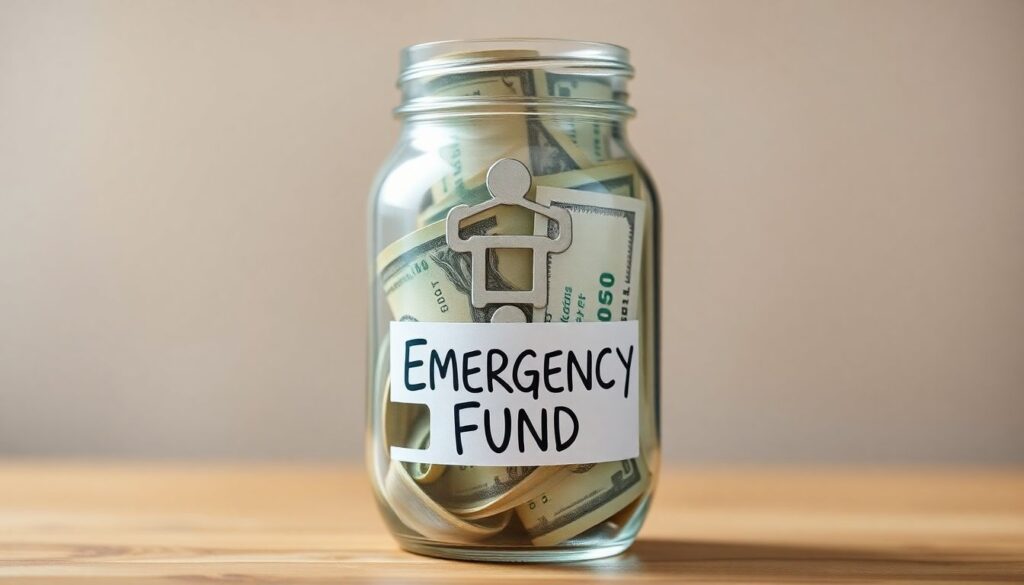
An emergency fund is a dedicated pool of cash reserved only for genuine financial shocks: job loss, medical emergencies, urgent repairs, or essential travel. It is not for vacations, planned purchases, or predictable bills. Its job is to protect you from going into high‑interest debt or selling investments at a bad time.
If you treat this money as a personal safety system, then three rules keep it effective: you separate it from everyday spending, you define what counts as an emergency in advance, and you commit to refilling it after use. This turns random crises into manageable cash‑flow problems instead of full‑blown financial setbacks.
Mechanically, you decide a target amount, choose a safe account (often a simple high‑yield savings or similar), and automate transfers until you reach that target. If an eligible emergency happens, then you withdraw only what you need, track the withdrawal, and resume contributions to rebuild the balance.
Calculating Your Ideal Target: Income, Expenses, and Risk Factors
Use a clear, stepwise approach so you are not guessing. If you like tools, then a simple spreadsheet or any “how much emergency fund do I need calculator” can speed this up, but you can also do it manually:
- List essential monthly expenses. If a cost keeps a roof over your head, food on the table, lights on, or health protected, then include it. Skip vacations, gifts, and extra subscriptions.
- Calculate total essentials. Add housing, utilities, groceries, basic transport, minimum debt payments, insurance, and basic medical costs. This total is your Monthly Essentials (ME).
- Choose a month target. If your income is stable and you have few dependents, then start with 3 months. If income is variable or you are a single‑income household with kids, then consider 6-9 months.
- Apply the basic formula. Emergency Fund Target = ME × Months. For example, if ME = $2,500 and you choose 4 months, then your target is $10,000.
- Adjust for personal risk. If you work in a volatile industry, are self‑employed, or have health concerns, then add extra months to your target. If you have strong back‑up support (for example, parents who can help), then the lower end might be acceptable.
- Revisit yearly. If your rent, family size, or income changes, then recalculate. Your target is a moving number, not a one‑time decision.
Sizing for Life Stage and Employment Volatility
The right size for an emergency fund is heavily “if…, then…” driven. Different life stages and job situations call for different buffers. Use scenarios like these to refine your target:
- If you are a student or living with parents, then 1-2 months of bare‑bones expenses may be enough, especially if housing is subsidized and you can lean on family in a crisis.
- If you are early‑career with a steady salary and no dependents, then 3-4 months of expenses is a solid goal. Jobs may be easier to replace, so you can prioritize getting started rather than perfection.
- If you support a family on a single income, then aim for at least 6 months. If your job is hard to replace or specialized, then extend toward 9-12 months to protect dependents.
- If you are self‑employed or work on commission, then your income volatility is your biggest risk. If your earnings swing from month to month, then build toward 6-12 months of expenses to smooth dry periods and late client payments.
- If you are close to retirement, then having 6-12 months of cash allows you to avoid selling investments after market drops. If markets fall sharply, then you can live from cash while waiting for recovery.
- If you have chronic health issues or work without strong benefits, then increase your cushion. Medical and income shocks are more likely, so a larger fund is your self‑funded insurance.
Where to Keep the Money: Liquidity, Safety and Yield Tradeoffs
Three priorities define where to store your emergency cash: it must be safe, liquid, and reasonably rewarding on interest. If you are deciding where to keep emergency fund high interest, then safety and quick access should still outrank yield. Risky investments are poor containers for emergency money, even if returns look tempting.
Compare popular parking spots, especially as you think about the best place to keep emergency savings 2026 and beyond. Many people look for the best high yield savings account for emergency fund use, but money market accounts and short‑term CDs might also appear attractive. The tradeoffs are straightforward:
| Account type | Best use for emergency fund | Key advantages | Main limitations |
|---|---|---|---|
| High‑yield online savings | Core emergency fund | FDIC/NCUA insured, easy online access, competitive variable rate | Rate can change, transfers to checking may take 1-2 days |
| Money market account | Alternative or partial emergency fund | Often check‑writing or debit card, may pay slightly higher rate | May need higher minimum balance; rate not guaranteed |
| Short‑term CD | Secondary layer for large funds | Known rate for term, FDIC/NCUA insured | Penalty for early withdrawal; less flexible in true emergencies |
Benefits of typical emergency fund accounts
- If you use a high‑yield savings account, then you get strong liquidity, clear balances, and low risk.
- If you choose a money market account, then you may gain limited check access and potentially similar yields while staying conservative.
- If you add short‑term CDs for a portion of your fund, then you can lock in some yield for money you are unlikely to need soon.
- If your priority is peace of mind, then FDIC‑ or NCUA‑insured accounts are usually better than chasing slightly higher but less certain returns.
Limitations and cautions when searching for yield
- If an account limits withdrawals or charges frequent fees, then it may frustrate you in an emergency and is better avoided for your main fund.
- If someone suggests putting your emergency cash into stocks, long‑term bonds, or crypto for “better returns,” then remember that price drops can arrive at exactly the wrong time.
- If you are comparing emergency fund vs money market account which is better, then focus on insurance coverage, minimums, and access rules, not just headline interest rates.
- If a bank offers a teaser rate that expires quickly, then consider what the ongoing rate will be rather than chasing short‑term promos.
Practical Strategies to Build and Replenish the Fund
Construction and maintenance of an emergency fund are as important as the final target. Use “if…, then…” rules to avoid common mistakes and myths:
- If you feel overwhelmed by the total target, then start with a mini‑goal (for example, one month of expenses) and automate a small transfer each payday. Progress matters more than perfection.
- If you are paying off high‑interest debt, then build a small starter fund first (enough for one basic month), then split extra cash between debt payoff and growing the fund. This prevents new emergencies from sending you back into deeper debt.
- If you receive irregular income (bonuses, tax refunds, freelance spikes), then commit in advance that a fixed percentage will go straight to your emergency fund as soon as money arrives.
- If you are tempted to invest the fund for higher return, then keep only what you truly need for emergencies in safe cash; invest separate long‑term money instead.
- If you tap the fund, then immediately switch into “rebuild mode”: pause optional extras (luxury spending, some investments) until the balance is back to your chosen minimum.
- If you struggle with discipline, then keep your emergency fund at a separate bank from daily spending so access is easy in a crisis but not in a moment of impulse.
Rules for Access: When to Tap It and How to Recover
Clear rules keep your emergency fund from becoming a convenience fund. Decide in advance: if a situation is unexpected, necessary, and time‑sensitive, then it can qualify. If it is optional, planned, or can be delayed without major harm, then it should not use emergency money.
Use a simple mental algorithm when something happens:
If-then decision flow for using your emergency fund
- If an expense appears, then first ask: “Did I know this was coming?” If yes, then it is not an emergency; it belongs in your regular budget or sinking funds.
- If it is truly unexpected, then ask: “Is this necessary to protect health, housing, or basic stability?” If no, then look for cheaper options or delay.
- If it is necessary and urgent, then use the emergency fund to cover the gap, but track how much you withdraw.
- If you have used the fund, then set a temporary rule: for the next few months, extra cash flow goes toward rebuilding the balance until it reaches your minimum comfort level again.
Example: If your car breaks down and the repair is required to get to work, then this qualifies as an emergency and you can pay from the fund. If you want to upgrade a still‑working car, then save for that separately instead of tapping emergency cash.
Practical Concerns and Brief Solutions
How much should I save if I cannot reach the full target soon?

If the full 3-6 months feels out of reach, then aim first for one month of essential expenses. Once you hit that, then slowly build toward the next month. Small, automatic contributions are more important than perfect numbers early on.
Should I prioritize emergency savings or paying off debt?
If you have no savings at all, then first build a small starter fund so a single surprise does not force new borrowing. After that, if your debt is high‑interest, then direct more extra cash to paying it down while still adding something to your fund.
Is a high‑yield savings account always the best place?

If you want maximum simplicity and safety, then a high‑yield savings account is usually the best place to keep emergency savings. If your fund is very large, then you can place a portion in short‑term CDs or a money market account while keeping enough instantly available in savings.
Can I invest part of my emergency fund in stocks or bonds?
If money is for true emergencies, then avoid putting it at risk in volatile investments. If your fund is larger than your target and you are comfortable, then you can invest the excess separately, but keep the core amount in safe, insured cash accounts.
How many accounts do I need for emergency money?
If you prefer simplicity, then one separate high‑yield savings account earmarked as “emergency” is enough. If your balance exceeds insurance limits or you want a tiered system, then you can split between two insured institutions or between savings and a money market account.
What should I do if I must use the fund twice in a row?
If repeated emergencies drain your fund, then first rebuild to cover at least one bare‑bones month. Then review patterns: if similar issues keep recurring, then adjust your regular budget or insurance coverage so they become planned costs instead of emergencies.