
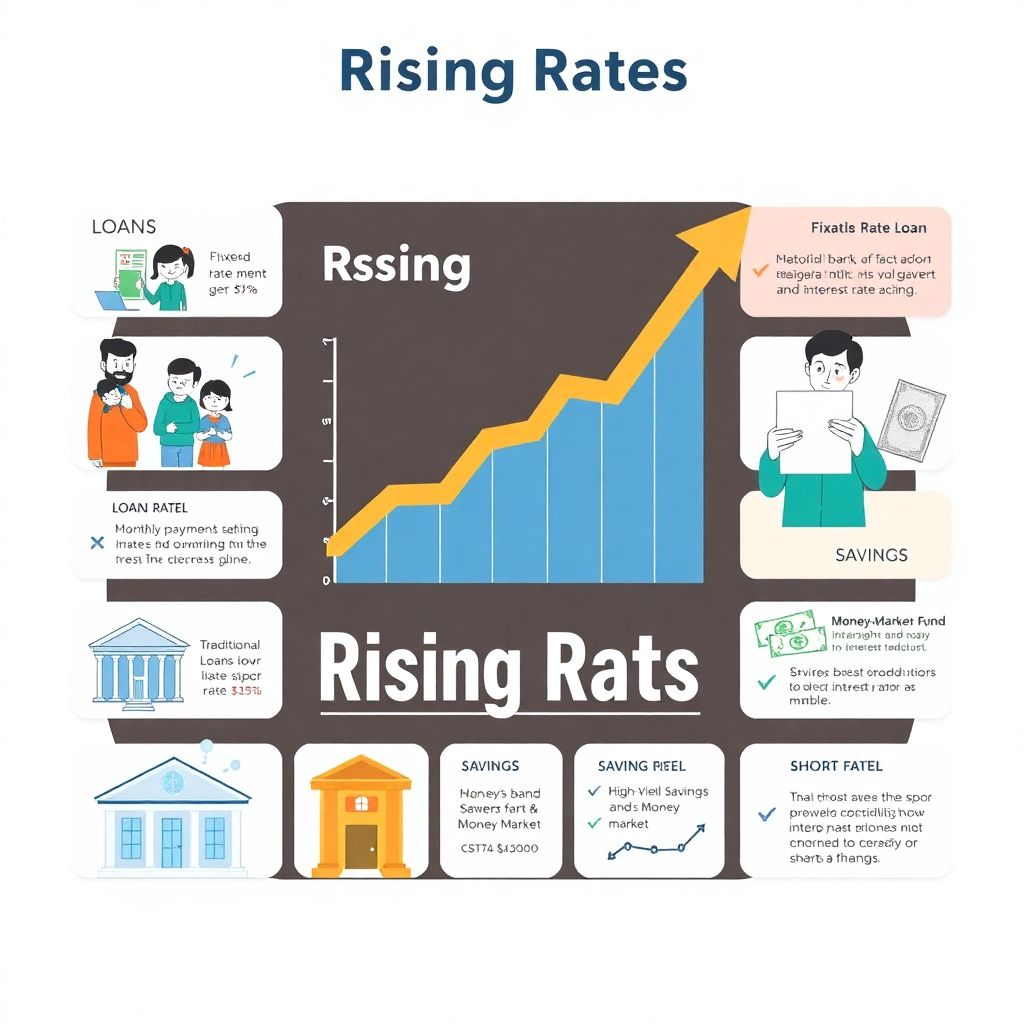
Why rising rates suddenly matter again
For years, money was almost free: central banks kept rates near zero after the 2008 crisis and again during the pandemic. Cheap loans pushed people toward mortgages, margin trading and growth stocks, while savings accounts paid almost nothing. When inflation jumped, central banks reacted with the fastest tightening cycle in decades. If you’re wondering how do rising interest rates affect savings and investments, the short answer is: they reshuffle the winners and losers. Cash stops being trash, debt gets heavier, and risky assets are forced to justify their price. Ignoring this shift means using a playbook that belongs to a different era.
Basic mechanics: what a “rate hike” really does
Central banks don’t set your credit card rate directly; they move a base rate that influences almost every financial product. When that base climbs, banks pay more to borrow, so they pass the cost to clients. The result: loans, mortgages and business credit get pricier, while new savings products and bonds start offering better yields. The key principle is opportunity cost: every dollar you lock in somewhere has a competing, safer alternative that has just become more attractive. Understanding this trade‑off is the foundation for choosing the best investments when interest rates are rising instead of simply chasing yesterday’s winners.
Fixed vs variable rate loans: who really wins
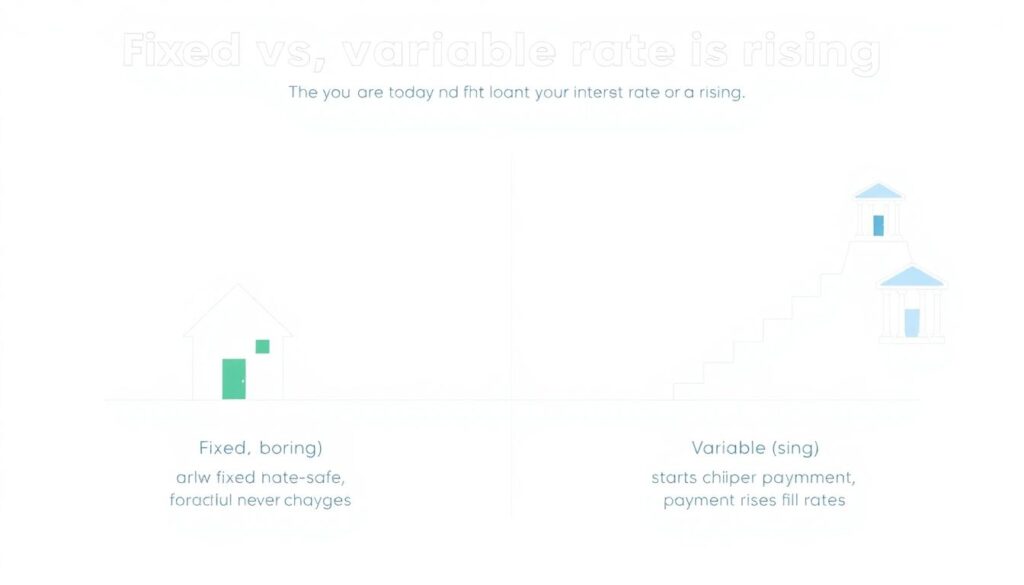
When rates are low, a fixed loan looks boring but safe: your monthly payment never changes. A variable loan often starts cheaper because the bank shares rate risk with you. As rates rise, that equation flips. With fixed vs variable rate loans which is better when rates are rising depends on timing and flexibility. If you already have a low fixed rate, rising rates are good news: your cost stays put while everyone else’s climbs. With a variable loan, you’re exposed to future hikes, but you might benefit later if central banks eventually cut. The trade‑off is predictability versus potential long‑term savings.
Savings: making cash work harder, not just sit there
For savers, rising rates finally bring a reward, but only if you move. Many big banks are slow to raise deposit rates, hoping clients stay passive. Before asking where to put cash savings with rising interest rates, check what you currently earn; chances are it’s well below what’s available elsewhere. Online banks, money‑market funds and short‑term government bills often react faster and offer higher yields. The risk is usually not losing money, but losing purchasing power by staying in a lazy, low‑yield account. To benefit, you need to be willing to shift providers and occasionally park cash in new instruments.
- Traditional savings accounts: ultra‑liquid, but often the lowest rates, especially at large brick‑and‑mortar banks.
- High‑yield savings and money‑market funds: higher interest, still very liquid, but rates can move down quickly if policy changes.
- Short‑term government bonds or bills: usually safer than corporate products, with transparent yields and clear maturities.
Different strategies for savers: passive vs active
You can treat cash like a static emergency fund or a mini‑portfolio that deserves optimization. The passive approach: pick one solid high‑yield account, keep six to twelve months of expenses there, and check rates once a year. The active approach: ladder short‑term bonds, move between top‑yielding accounts, and park surplus in money‑market funds. The more active you are, the closer you get to market‑level yields, but at the cost of extra admin and tax tracking. Both methods are valid; the question is how much time you’re willing to trade for a bit more interest on relatively small balances.
Debt: pressure rises as rates climb
Debt becomes heavier when rates go up, especially for variable‑rate products like credit cards and some mortgages. Suddenly, a balance you were “managing” starts growing faster than you expected. Learning how to pay off debt faster in high interest rate environment is as much about behavior as math. The core idea: aggressively attack your costliest debt while rates are high, because every dollar paid there is a risk‑free return equal to that interest rate. Ignoring expensive debt while hunting tiny gains in investments is usually backwards; the guaranteed saving often beats any realistic investment you’ll find.
- High‑rate consumer debt (credit cards, payday loans): treat as a financial emergency; prioritize above investing.
- Variable‑rate mortgages: monitor payment changes; consider partial prepayments or refinancing if terms allow.
- Student and government loans with low fixed rates: often safe to pay on schedule while focusing extra cash elsewhere.
Debt payoff approaches: avalanche vs snowball
There are two popular strategies for killing debt. The avalanche method targets the highest interest rate first, which is mathematically optimal in a high‑rate world. The snowball method attacks the smallest balance first to build quick psychological wins. When rates are rising, the cost of delay on expensive balances grows, so the avalanche gains extra edge. A hybrid approach can work: close one or two small accounts for momentum, then pivot to the ugliest rate. Whatever you pick, automate payments above the minimum; relying on monthly willpower rarely survives a busy or stressful season.
Investments: adjusting to a pricier money world
Rising rates change how investors value future cash flows. Bonds drop in price as new issues offer better coupons, and growth stocks suffer when investors demand higher returns to lock up capital. Understanding how do rising interest rates affect savings and investments helps you avoid selling solid assets in panic. Long‑duration bonds feel the most pain; short‑term and inflation‑linked bonds tend to hold up better. Quality companies with real cash flow and modest debt become more attractive than speculative names burning cash. The more an asset’s story depends on distant profits, the more vulnerable it usually is when rates rise.
Choosing the best investments when interest rates are rising

There’s no single perfect answer, but some themes repeat. Short‑term bonds and bond funds reduce interest‑rate risk while still paying improved yields. Value‑oriented stocks, especially in sectors like financials, energy and some industrials, can benefit or at least withstand higher rates better than unprofitable tech. Real estate becomes very local: higher mortgage costs hurt prices, but landlords with fixed debt and strong demand can see rising rents. One cautious approach is to tilt, not flip: shorten bond duration, favor quality businesses, and keep some dry powder in cash or money‑market funds to exploit future volatility.
Hands‑off vs hands‑on investment tactics
A hands‑off investor might stick to a diversified index fund portfolio and simply rebalance annually, accepting that markets will incorporate rate changes over time. This approach reduces the risk of big timing mistakes, but you may sit through deeper swings in long bonds or speculative growth. A hands‑on investor adjusts allocations more frequently: trimming long‑duration bonds, rotating sectors, or using bond ladders. The risk here is overtrading on headlines and adding complexity without better results. Often, a light touch is enough: understand the rate backdrop, then make modest, rule‑based tweaks rather than wholesale portfolio makeovers.
Historical lessons: why this cycle feels different (and similar)
Looking back at the 1970s–1980s, high and volatile rates punished borrowers but eventually rewarded patient savers and bond buyers who locked in double‑digit yields. The recent cycle is milder, yet the pattern rhymes: periods of aggressive tightening usually precede a slower phase where inflation cools and central banks pause or cut. Historically, investors who panicked out of diversified portfolios during hikes often missed the recovery that followed. Meanwhile, those who overleveraged in low‑rate times paid the price when the tide turned. The recurring lesson is simple: avoid extreme bets on any single rate scenario.
Examples of real‑world adjustments
Consider three households. One keeps a large balance on a 20% credit card while chasing hot stocks; another aggressively pays down that card before investing; the third refinances to a lower‑rate personal loan and sets automatic overpayments. In a rising‑rate world, the second and third households usually end up far ahead, even if their investing returns are ordinary. Likewise, a retiree who shifts all bonds to long‑term issues just before a hiking cycle will see painful losses, while another who builds a ladder of short maturities can reinvest at higher yields. Small structural choices compound dramatically over time.
Common myths about rising interest rates
One myth says, “If rates are rising, you should stop investing altogether.” In reality, pausing long‑term investing because of rate headlines is just another form of market timing. Another myth claims that “all debt is bad when rates go up.” High‑rate consumer debt is indeed toxic, but a low, fixed‑rate mortgage can remain a useful tool, especially if inflation eats away at the real value of that debt over time. There’s also the belief that variable loans are always smarter because you can “ride the cycle,” ignoring that many people lack the buffers to survive long periods of elevated rates.
Clearing up savings and loan misunderstandings
Many savers assume that “higher base rates automatically mean my bank will pay more.” Banks raise lending rates fast but often move deposit rates slowly. You need to compare offers actively instead of waiting for generosity. On loans, people sometimes think refinancing is pointless once rates rise, yet moving from a variable to a moderate fixed rate can stabilize cash flow and cut long‑term risk. The real question is not fixed vs variable rate loans which is better when rates are rising in theory, but which structure fits your income stability, planning horizon and tolerance for surprises in your monthly budget.
Bringing it together: picking an approach that fits you
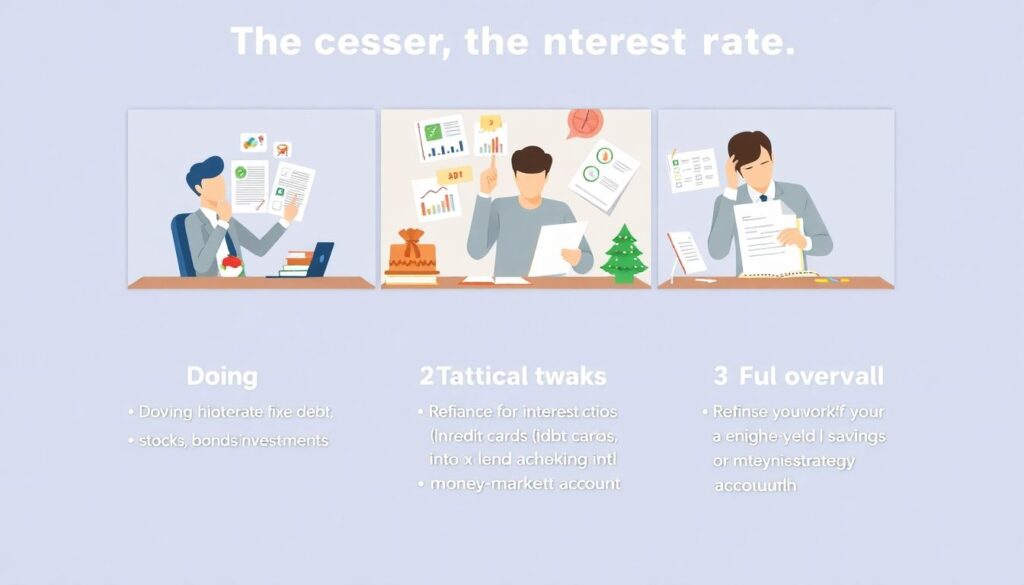
Rising rates force you to choose between doing nothing, making tactical tweaks or overhauling your whole plan. Doing nothing may work if you already hold low‑rate fixed debt, diversified investments and competitive savings rates. Tactical tweaks suit most people: refinance bad debt, shift idle cash to better accounts, shorten bond duration and confirm your stock allocation still matches your risk profile. A full overhaul fits only if your finances were heavily dependent on cheap money, like excessive leverage in property or margin trading. The most resilient approach is usually boring: steady saving, thoughtful debt management and moderate, rules‑based adjustments as conditions evolve.
Комментарии