

Why Bonds Deserve a Place in Your Financial Story
If the stock market feels like a roller coaster, bonds are more like a steady train: not as flashy, but reliably getting you closer to your destination. For many people, the real turning point in money management comes when they stop thinking only about fast profits and start building a calm, predictable cash flow. That’s where bonds shine. They pay you interest at agreed dates and then return your principal, which makes them feel more like a plan than a bet. Instead of asking, “How can I get rich quickly?”, you start asking, “How can I make consistent progress with reasonable risk?” That shift alone already puts you ahead of most beginners who never move past guessing and hoping.
How to Start Investing in Bonds for Beginners Without Overwhelm
Many newcomers freeze at the first step because the bond market seems packed with jargon: yield, duration, coupon, credit rating. Ignore the noise at first and focus on one simple question: “Who am I lending money to, and how likely are they to pay me back?” That mindset makes it much easier to see how to start investing in bonds for beginners in a calm, structured way. Begin with small amounts, use your bank’s brokerage app or a reputable online platform, and treat your first purchases as paid practice. You’re buying experience as much as investments. Check how interest payments arrive, watch how prices move when rates change, and write down your observations. That little “bond diary” will teach you more than any abstract theory.
Different Approaches: Safety-First vs Yield-Hunter
Among bond beginners, there are usually two camps. The first wants peace of mind and chooses safe fixed income investments for beginners, often sticking to high‑quality government and investment‑grade corporate bonds. The second camp chases higher yields, accepting more risk with lower‑rated issuers or longer maturities. Neither approach is automatically wrong; the trick is matching it to your personality, goals, and time horizon. If market swings make you lose sleep, prioritise stability and short‑term bonds. If you have many years ahead and can ride out volatility, a portion of higher‑yield bonds might make sense. The worst mistake isn’t choosing “too safe” or “too risky”; it’s copying someone else’s style without understanding whether you can live with the downsides when markets get rough.
Government vs Corporate: Picking the Right Starting Point
When people ask about the best bonds to invest in for beginners, I usually compare them to learning to drive. Government bonds are like practicing on an empty parking lot: less stressful, fewer surprises. Corporate bonds are more like driving in the city: more opportunities, but also more things that can go wrong. Government issuers can tax and print currency, which typically makes their bonds safer, though not always high‑yielding. Solid corporations may pay more interest, but their business can slow down, profits can shrink, and credit ratings can be downgraded. A practical blend for many novices is to start with governments, then slowly add well‑known, financially strong companies once they’ve learned to read basic balance sheets and credit ratings.
Online Platforms vs Advisors: DIY or Guided Journey?
Another key decision is whether to go fully DIY or lean on guidance. These days you can buy government bonds online for beginners using user‑friendly brokerage apps that show yields, maturities, and minimum investments in a few clicks. That convenience is great, but it also tempts you to click first and think later. A human advisor, on the other hand, costs money yet can help you avoid rookie errors like concentrating everything in one issuer or one maturity date. A hybrid approach works well for many people: use free education and tools online, but pay for a one‑time consultation with a fee‑only planner to sanity‑check your plan. You still drive the car, but someone helps you read the map the first few times.
Bond Investment Strategies for Beginners: Simple Beats Fancy
You don’t need exotic derivatives to build a meaningful bond portfolio. The most effective bond investment strategies for beginners are surprisingly straightforward. One popular option is a ladder: you buy bonds that mature in different years, so some portion of your money regularly comes back and can be reinvested at new interest rates. That reduces the risk of “locking in” at a bad moment. Another approach is a core‑satellite setup: you hold low‑risk government or high‑grade bonds as your core, then add a smaller “satellite” portion in higher‑yield bonds or bond funds for extra return. Complex strategies promise precision but often just add confusion. Start simple, master it, then tweak if needed instead of jumping directly into fancy products you barely understand.
Real‑World Stories: Small Steps, Big Compounding

Take Anna, a 28‑year‑old designer who panicked every time stocks dipped. She committed to putting just $150 a month into short‑term government and investment‑grade bond funds. Nothing dramatic happened in the first year—just small interest payments and a gently rising balance. But over five years she built a cushion big enough to cover six months of expenses, and her attitude to money changed completely. In contrast, Mark, 40, a small business owner, chose a more aggressive route. He mixed government bonds with carefully selected high‑yield corporates, accepting occasional price drops for higher income. Both paths were valid because they matched the person behind the portfolio. What mattered wasn’t “the perfect bond”; it was consistency, self‑knowledge, and the willingness to learn from each step.
Step‑by‑Step Plan to Build Your First Bond Portfolio
1. Define your goal: safety, income, or a mix of both.
2. Decide how much you can invest regularly without stressing your budget.
3. Choose your starting universe: mainly governments, or governments plus top‑rated corporates.
4. Open a reputable brokerage account and explore beginner‑friendly bond funds and individual issues.
5. Build a simple ladder across several maturities and issuers to avoid concentration risk.
6. Reinvest coupons and maturing bonds, adjusting gradually as your income, goals, and risk tolerance evolve.
Treat this as a living project, not a one‑time decision. Review it once or twice a year, not daily. That rhythm keeps you engaged without turning investing into a source of constant anxiety.
Resources to Keep Learning and Staying Motivated
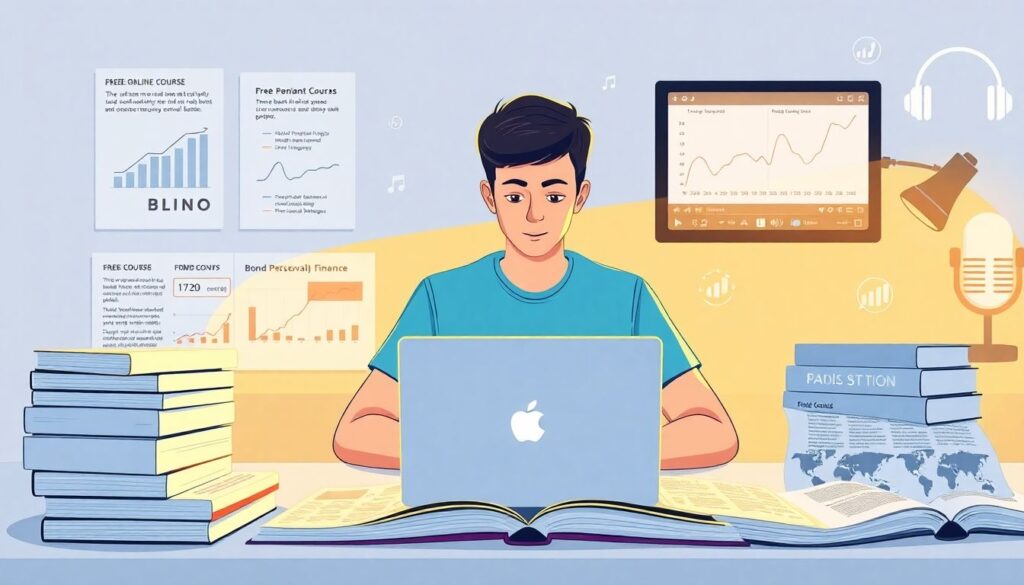
To keep progressing, mix structured learning with real‑world observation. Free courses from major brokerages and central banks explain concepts like yield and duration in plain language. Books by well‑known bond managers show how professionals think about risk, and podcasts on personal finance help connect those ideas to everyday life. When searching for safe fixed income investments for beginners, don’t just trust headlines—read product factsheets, understand fees, and compare them to alternatives. The more you read, the calmer your decisions become. Over time, bonds stop being mysterious “finance stuff” and turn into familiar tools. And once you realise you can reliably turn your savings into predictable income, the whole topic of money shifts from fear to possibility—which is exactly the point of learning to invest.