

Buying a place you truly love isn’t just a Pinterest dream; it’s a project you can actually manage. Over the last three years, prices have been wild: in the U.S., the median existing‑home price went from about $358,000 in 2021 to roughly $396,000 in 2023, according to the National Association of Realtors. At the same time, personal savings rates dropped from double digits in 2020 to around 3–5% in 2022–2023. That combo makes planning non‑negotiable, but with a clear system you can still bend the numbers in your favor.
Clarifying the Target: What “Dream Home” Really Costs
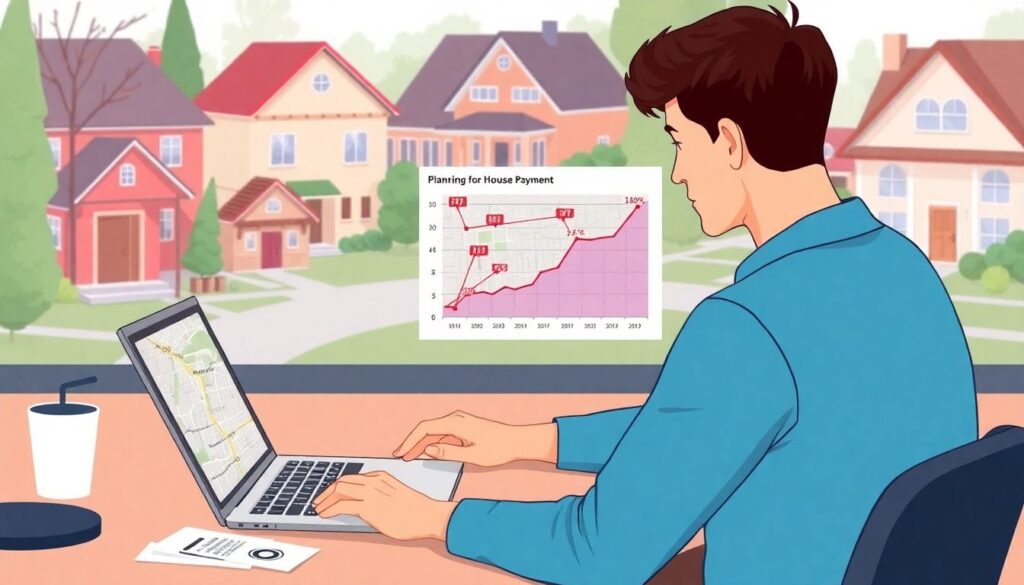
Before you google how to save for a house down payment, you need a ballpark price. Look at recent sales in your target area over the last 2–3 years, not just current listings, to understand normal prices versus hype. If median prices rose 5–7% a year locally, assume something similar going forward when you set your budget. Then decide on a down payment range: many first‑time buyers still manage with 5–10%, even though 20% avoids PMI. Translate that into a single number so your brain has a concrete goal, not a fuzzy wish.
Figuring Out “How Much Should I Save to Buy a House”
Now turn that dream into a monthly figure. Say your target home is $350,000. A 10% down payment is $35,000, plus maybe $10,000 for closing costs and moving. That’s $45,000 total. If you want to buy in three years, you’ll need about $1,250 a month, before any investment growth. Cross‑check this against your actual budget: compare the required savings to how much you currently put away. If there’s a big gap, you either stretch your timeline, lower your target price, or tighten spending. The math forces honest decisions instead of vague optimism.
Essential Tools for a Solid Home‑Saving Setup

You don’t need fancy fintech to use the best ways to save money for a first home, but a few tools make the process automatic. Start with a separate high‑yield savings account labeled “Home Fund” so the money is visually and mentally walled off. As of 2023, many online banks offered 4% or more on savings, compared with near‑zero a few years earlier, so parking cash smartly now matters. Add a basic budgeting app or spreadsheet that tracks fixed costs, flexible spending, and savings, and set automatic transfers right after payday to treat savings like a bill.
When Investing Beats a Plain Savings Account
If your timeline is three to five years, consider mixing in low‑risk investments instead of relying only on cash. Over 2022–2023, inflation often outpaced basic savings rates, so money left idle actually lost buying power. Short‑term bond funds or conservative portfolios in a brokerage account may out‑earn pure savings, though they do carry risk. Keep at least 6–12 months of planned housing costs (rent plus future mortgage cushion) in cash, and invest only the portion you can afford to see fluctuate without panicking. Your goal is steady progress, not chasing stock‑market thrills.
Designing a Saving Plan to Buy a House Fast
Speed depends on two levers: how much you save and how much your money earns. To build a saving plan to buy a house fast, front‑load your effort. For the first six months, aggressively cut variable expenses—restaurants, subscriptions, upgrades you can delay—and channel every freed dollar into the Home Fund. Then look at the income side: in 2022–2024, many buyers reported using bonuses, tax refunds, and side‑gig income to cover 20–30% of their down payment. Treat any windfall as “100% for the house” by default, unless you’re paying off high‑interest debt first.
Step‑by‑Step: Turning Monthly Habits into Real Money
Here’s a simple sequence. Step 1: List take‑home pay and all fixed bills. Step 2: Cap “fun” spending at a realistic but firm limit—maybe 10–15% lower than your current level, so it stings a bit but is sustainable. Step 3: Set an automatic transfer for the difference straight into your Home Fund the day you’re paid. Step 4: Every three months, review progress and gently tighten the screws by another 2–3% if you’re behind. These tiny adjustments compound; over 24–36 months they can easily add tens of thousands without feeling like a crash diet for your wallet.
Real‑World Benchmarks from the Last Three Years
Numbers from 2021–2023 show how people are actually pulling this off. A 2023 survey from Zillow found that nearly half of recent U.S. buyers used savings built up over two years or less, while around one‑third leaned on gifts or loans from family. Meanwhile, typical down payments for first‑time buyers hovered near 6–8% of the purchase price according to NAR data, not the mythical 20%. That means your savings goal might be lower than you fear—but you must pair it with a realistic view of monthly mortgage, insurance, and tax costs so you’re not “house poor” on move‑in day.
Common Roadblocks and Practical Fixes
Even with solid tips for saving for a dream home, life throws curveballs: inflation spikes, rent hikes, or job changes. If rising prices are eating your progress, adjust your target in two ways: slightly increase your monthly savings rate and broaden your housing search radius or property type. If variable income makes consistency hard, switch from fixed monthly targets to percentage‑based ones—commit, for instance, that 25–30% of every paycheck, bonus, or freelance payment goes to the Home Fund. This keeps momentum even when your income seesaws.
Troubleshooting Debt, Temptations, and Burnout
High‑interest debt is the enemy of fast saving. If your credit card APR is higher than any return you can earn, redirect part of your housing funds to crush that balance first, while still contributing a symbolic amount to your Home Fund so the habit stays alive. For impulse spending, add friction: delete stored cards from shopping apps, use a 24‑hour rule before non‑essential purchases, and keep your Home Fund at a different bank so “borrowing” from it isn’t effortless. If motivation dips after a year, refresh your vision: visit open houses or update your mood board to remind yourself what the sacrifice is buying.
Staying Flexible Without Losing Sight of the Goal
Your plan isn’t a contract with the universe; it’s a living document. Check in every quarter: compare your actual savings to the schedule, update home price estimates based on fresh local data, and adapt to rate changes. Between 2022 and 2024, mortgage rates swung from the 3% range to above 7% in some markets, dramatically changing what buyers could afford. If rates stay high, it may be smarter to keep saving longer for a bigger down payment that softens monthly costs. The key is simple: keep the process moving, even if the exact finish line shifts.