

Why “Normal” Budget Advice Breaks in High Cost of Living Areas
Living in New York, San Francisco, London, Singapore, or any other expensive city means standard budgeting advice often stops working.
“Just keep rent under 30% of income” is cute until you realize studios start at $2,000+.
To build a realistic monthly budget planner for high cost of living, you need a different approach:
– More precision with numbers
– Less guilt about higher fixed costs
– More creativity in cutting and increasing income
Let’s walk through a step‑by‑step system that actually works when everything around you is overpriced.
—
Step 1. Measure Your Real Cost of Living (Not the Theoretical One)
Track Your Cash Flow for 30 Days
Before asking how to make a budget with high cost of living pressures, you need to know where your money *actually* goes, not where you think it goes.
1. For 30 days, track every expense.
2. Use either:
– A simple note app + weekly recap, or
– One of the budgeting apps for high cost of living areas (YNAB, Monarch, Copilot, or even Excel + bank export).
Short on time? Pull 3 months of bank and card statements and classify transactions by category: housing, utilities, transport, food (groceries vs eating out), subscriptions, debt, savings, “everything else.”
> Technical breakdown: expense baseline
> – Download last 90 days of transactions in CSV from your bank.
> – Use filters to group by merchant name (e.g., “Uber”, “Shell”, “Whole Foods”).
> – Calculate:
> – Average monthly total = (3‑month total) ÷ 3
> – Category share = Category total ÷ Average monthly total × 100%
> – Flag any category above 25% of total spend as “high-impact” (prime optimization target).
Reality Check With a Concrete Example
Example: Elena, 29, lives in San Diego, makes $6,000/month after tax.
After tracking 3 months:
– Rent: $2,450
– Utilities + internet: $210
– Groceries: $520
– Eating out + coffee: $610
– Transport (car payment, gas, insurance, parking): $890
– Subscriptions + apps: $165
– Travel + fun: $350
– Misc (clothes, gifts, random): $420
Total: $5,615
Leftover: $385
She *thought* she was saving “around $800–$1,000” monthly. Real number: $385, and it fluctuates.
Your first goal is the same: replace guessing with measurement.
—
Step 2. Define Non‑Negotiables vs Everything Else
Separate “Must Pay” From “Nice to Have”
In high‑cost cities, your “must pay” line is brutal. That’s fine—just be honest about it.
Non‑negotiables usually include:
– Rent / mortgage
– Utilities + minimum internet
– Transport to work (public transit, car costs, or bike + occasional ride‑share)
– Minimum debt payments
– Healthcare premiums / insurance
– Basic groceries
Everything else is adjustable, even if it doesn’t feel that way yet: dining out, subscriptions, travel, shopping, gym type, and so on.
> Technical breakdown: fixed vs variable
> – Fixed costs = expenses that change less than 10% month to month (rent, standard bills, fixed subscriptions).
> – Variable costs = everything else (food, fuel, shopping, social).
> – Target: Fixed ≤ 60–70% of net income. In some high‑cost areas, 75% is still workable if income is growing.
Example: Re‑Labeling Elena’s Budget
Non‑negotiable:
– Rent: $2,450
– Utilities + internet: $210
– Minimal transport (loan, insurance, gas to work): $750 of the $890
– Basic groceries (aim: $450 of the $520)
Result: around $3,860 in “must pay.”
Everything else (about $1,755) becomes her optimization playground.
—
Step 3. Set Target Percentages That Work for Your City
The classic “50/30/20” rule (needs/wants/savings) is often unrealistic in expensive metros. You might be at 65/20/15 or even 70/15/15 for a while. That doesn’t mean you’re failing; it just means you need custom settings.
Build a City‑Adjusted Budget Framework
For high‑cost cities, a more realistic starting point could look like this:
– Housing (rent + essential utilities): 35–45% of net income
– Transport: 8–15%
– Food (groceries + eating out): 12–20%
– Debt payments: 5–15%
– Savings + investing: 10–20% (including emergency fund, retirement)
– Everything else: 10–20%
Your job is to pick a realistic version for your income and city and test it for 2–3 months.
> Technical breakdown: custom ratio example
> For net income of $5,000/month in a high‑cost city:
> – Housing (45%): $2,250
> – Transport (10%): $500
> – Food (18%): $900
> – Debt (7%): $350
> – Savings (12%): $600
> – Everything else (8%): $400
This is not ideal long‑term (housing quite high, little “fun”), but it is *workable* and can be improved over time.
—
Step 4. Build a Realistic Monthly Budget Planner for High Cost of Living
Now you translate those percentages into actual categories and dollar amounts you can follow daily.
Use Simple, Trackable Buckets

Set up your planner by buckets, not long spreadsheets you’ll never open again.
1. Housing & utilities
2. Food (split into groceries / eating out)
3. Transport
4. Debt
5. Savings & investing
6. Lifestyle & fun
7. Irregular / annual costs (insurance, car repairs, gifts, etc.)
Write down a monthly limit for each and a weekly check‑in amount.
Example with $6,000 net income:
– Housing & utilities: $2,500
– Food: $850 (e.g., $550 groceries / $300 eating out)
– Transport: $750
– Debt: $300
– Savings & investing: $750
– Lifestyle & fun: $500
– Irregular / annual: $350
Short check: totals $6,000. That’s your battle plan.
> Technical breakdown: weekly caps
> – Monthly food $850 ⇒ Weekly cap ≈ $196
> – Monthly lifestyle $500 ⇒ Weekly cap ≈ $115
> – Add a simple rule: If you exceed a weekly cap, reduce next week’s cap by the same amount. This keeps the month on track without redoing the whole plan.
This is where the best budgeting tips for high cost of living cities become very tactical: caps must be low enough to move the needle but not so low that you quit by week two.
—
Step 5. Choose the Right Tools (and Automate the Boring Parts)
Digital Tools That Don’t Suck Your Time
When every dollar is under pressure, automation is your ally.
Consider:
– Bank alerts for transactions over a set amount (e.g., $50).
– Category tracking in budgeting apps for high cost of living areas; YNAB, PocketGuard, and Goodbudget are often used in high‑rent cities precisely because they force you to plan ahead, not just look back.
– A calendar reminder for a 20‑minute “money check‑in” every Sunday night.
If you’re not a tech person, use a basic notes app plus one spreadsheet. Complexity kills consistency.
Automate Savings First
One of the most underrated ideas for how to save money when cost of living is high is this: pay your future self like a bill.
– Set an automatic transfer to savings/investments on payday (even $100–$300).
– Treat it as non‑negotiable until you’re in real emergency mode.
> Technical breakdown: automation priority
> Recommended automatic order on payday:
> 1. Savings & investing
> 2. Debt minimums
> 3. Rent & utilities
> 4. Other fixed bills
> 5. Rest stays in checking for variable spending
This reverses the typical pattern of “spend first, save leftovers,” which almost never works in high‑spend environments.
—
Step 6. Attack the Big Levers, Not Just Lattes
Tiny cuts matter, but in expensive cities the *big three* usually decide everything:
1. Housing
2. Transport
3. Food
1) Housing: Negotiate, Downsize, or Share
Real example:
– Alex paid $2,850 for a one‑bedroom in Seattle.
– By moving 12 minutes further from downtown and getting a roommate, his personal housing cost dropped to $1,650.
– He freed up $1,200/month without changing income.
Options to explore:
– Negotiate renewal using current local listings as leverage.
– Move 10–30 minutes further out if commute cost/time stays manageable.
– Consider a roommate or co‑living setup for 12–18 months to build an emergency fund.
Even a $200/month reduction = $2,400/year. That’s a full vacation or several months of emergency buffer.
2) Transport: Car vs Public Transit Math
In many high‑cost cities, car ownership is a silent budget killer.
Approximate monthly car cost in a big US city:
– Payment: $450
– Insurance: $150
– Gas: $150
– Parking + tolls: $100–$150
– Maintenance reserve: $75
You’re near $925/month.
If a transit pass is $120 and occasional Uber/Lyft is another $130, you’re at $250. Even if your commute becomes 20 minutes longer, the net savings of $600–$700 a month is massive.
3) Food: From Random Purchases to System
You don’t need extreme couponing. You need rules:
– Cap takeout / restaurants to a fixed number of times per week.
– Default weekday breakfast and lunch to 2–3 cheap, repeatable options.
– Shop with a list and avoid “top‑up trips” (they always add extras).
Real example:
One client cut eating‑out from $750 to $350/month by limiting restaurants to 2x/week and switching to prepped lunches for work. That freed $400/month, which went straight into savings and debt payoff.
> Technical breakdown: “big lever” optimization
> – Aim to reduce *one* major fixed cost by 10–20% within 90 days (housing, car, or food).
> – For a $6,000 budget, that’s often $300–$700/month freed.
> – Direct 50% of that gain to savings, 50% to lifestyle upgrades or debt, so the change feels rewarding, not just restrictive.
—
Step 7. Handle Irregular and Annual Expenses Like a Pro
High cost of living doesn’t just mean expensive rent; it also means costly surprises: medical deductibles, car repairs, big moves, or annual insurance.
Turn “Surprises” Into Monthly Mini‑Bills
List your expected irregular costs for the next 12 months:
– Car maintenance and tires
– Professional licenses / certifications
– Holiday gifts and travel
– Annual software subscriptions
– Medical deductibles and co‑pays
Estimate the yearly total. Then divide by 12 and treat that as a mandatory monthly sinking fund.
Example:
– Car maintenance: $600/year
– Travel: $1,000/year
– Gifts: $400/year
– Misc big purchases: $600/year
Total: $2,600/year ⇒ about $217/month
You move $220/month into a separate “Irregular” savings bucket and stop pretending these costs came out of nowhere.
> Technical breakdown: sinking fund mechanics
> – Create a dedicated savings sub‑account named “Annual & Irregular.”
> – Automate a transfer each payday.
> – Never pay these expenses from your main checking unless you also transfer the same amount back from the sinking fund. This keeps your tracking clean.
—
Step 8. Build a “Version 1” Budget, Then Iterate Monthly

Budgeting in a high‑cost area is like versioning software. You don’t wait for perfect; you deploy v1.0, then patch.
Your First 30‑Day Test
1. Set your category limits based on the last 3 months and target ratios.
2. Track weekly, not daily (daily is exhausting).
3. At the end of the month, do a 15‑minute post‑mortem:
– Where did you overspend?
– What was unrealistic?
– What friction did you feel most?
Then adjust.
Example with Elena after 2 months:
– She realized $300 for eating out was too low; she constantly blew it.
– She raised eating out to $380 but cut transport by selling her unused second car, saving $210/month.
– Net result: more honest food budget and better overall savings.
> Technical breakdown: simple review metrics
> – Track:
> – “Savings rate” = Total savings ÷ Net income
> – “Housing load” = Housing ÷ Net income
> – If savings rate < 10% for 3 months in a row, prioritize:
> 1. Increasing income, and/or
> 2. One structural cost change (rent, car, roommate, move).
—
Step 9. Add the Income Side to Your Strategy
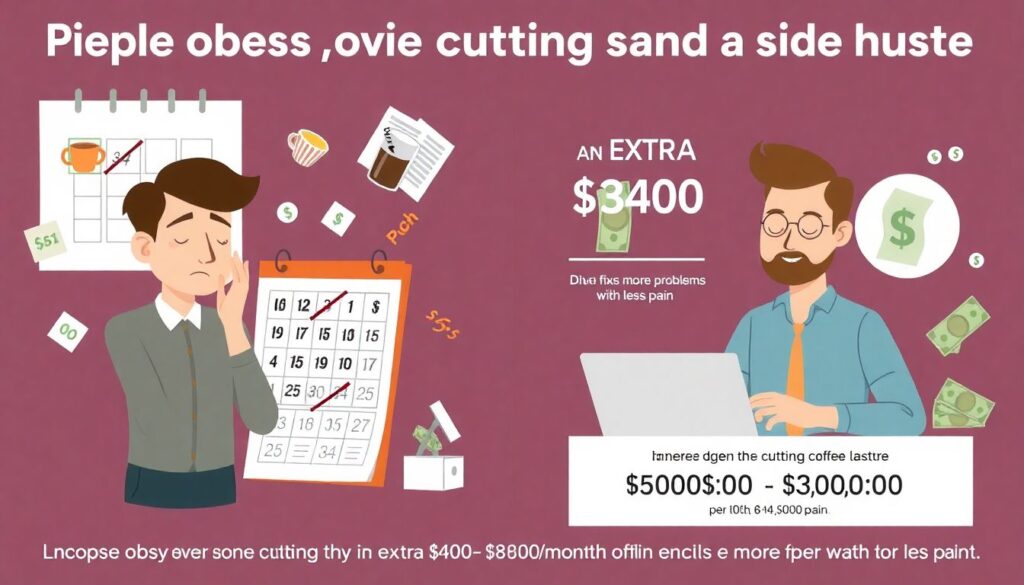
People obsess over cutting coffee and ignore the fact that an extra $400–$800/month of income often fixes more problems with less pain.
Think in Terms of “Monthly Net” From Side Moves
Examples:
– One tutoring client: +$450/month net
– Weekend photography gigs: +$350–$600/month, seasonal
– Teaching one online course/skill: +$200–$500/month after ramp‑up
In high‑cost cities, your network is usually dense. That can be an asset: short‑term gigs, consulting, contract work, rideshare, or niche freelancing.
When you ask how to make a budget with high cost of living realities, don’t forget: budgeting and earning more are two sides of the same system.
—
Step 10. Keep It Sustainable and Human
A budget that looks amazing on paper but makes your life miserable will not last.
Protect a Small “Joy Budget”
Always keep a defined amount for fun—even if tiny:
– $60/month for cafés
– $40/month for streaming or books
– $50/month for cheap local outings
The amount doesn’t matter as much as being explicit. This prevents “screw it” spending that blows up the plan.
Accept That Your Ratios Will Change
As you:
– Move apartments
– Get raises
– Change jobs
– Start or end relationships
– Pay off debt
…your budget structure will shift. In other words, your system is *meant* to evolve.
—
Putting It All Together: A Practical Roadmap
Here’s a condensed, actionable sequence:
1. Track 30 days (or 90 days of past data) to see real spending.
2. Separate must‑pay vs flexible and calculate current percentages.
3. Set city‑adjusted targets (housing, food, transport, savings).
4. Build your planner with clear monthly and weekly caps.
5. Automate savings and fixed bill payments.
6. Tackle one big lever (housing, car, or food) over the next 90 days.
7. Create sinking funds for irregular costs.
8. Review and adjust monthly—treat it like updating software.
9. Explore income boosts to widen the gap between earnings and expenses.
10. Keep a small joy budget so the plan is livable.
Follow these steps for 3–6 months and you’ll move from constant “How do I survive here?” mode to a clear, working plan for living—and actually getting ahead—in a high cost of living city.