
How to Cut Your Grocery Bill Without Sacrificing Quality: A Practical 2025 Guide
Let’s face it—grocery shopping isn’t getting any cheaper. According to the U.S. Bureau of Labor Statistics, food-at-home prices have jumped by 21.4% between 2021 and 2024. That’s a hefty increase, especially for families trying to eat healthy and stay on budget. The good news? You don’t have to choose between your wallet and your nutritional standards. In this guide, I’ll walk you through real-world strategies that I (and many others) use to trim grocery bills—without living on instant noodles.
Why Grocery Prices Keep Rising (and What You Can Do About It)
First, a quick reality check. Between supply chain disruptions, climate-related crop issues, and inflation, the cost of groceries has been steadily climbing. Here are some numbers to put things in perspective:
– 2022: Grocery prices rose by 11.4%, the largest annual increase since 1979.
– 2023: Prices edged up another 5.8%, with dairy and cereals leading the way.
– 2024: The trend slowed but still climbed by 3.2%, mainly due to meat and produce costs.
But don’t worry—this isn’t a doom-and-gloom piece. Below, I’ll show you how to push back against these trends with some smart, actionable habits.
1. Shop With a Plan, Not on a Whim
Impulse buys are grocery budget killers. Ever walked into the store for “just a few things” and walked out $80 lighter? You’re not alone. The average American spends up to 20% more when shopping without a list.
Here’s a simple fix: meal plan for the week, make a detailed list, and stick to it. I personally use Google Keep to organize my weekly meals and share the list with my partner, so we don’t double-buy or forget essentials.
Technical Tip:
Use grocery store apps (like Kroger, Safeway, or Walmart) to check prices and build your list around what’s on sale. Many let you clip digital coupons directly to your loyalty card.
2. Buy In Bulk—But Be Strategic
Buying in bulk can save you up to 30% on unit prices, but only if you’re smart about it. It’s tempting to load up at Costco or Sam’s Club, but not everything is a good deal.
Best items to buy in bulk:
– Grains and pasta (shelf life: 1–2 years)
– Toilet paper and cleaning supplies
– Frozen fruits and vegetables (they’re just as nutritious as fresh)
What to avoid:
– Fresh produce (unless you plan to freeze or prep it immediately)
– Spices (they lose potency after 6–12 months)
A personal example: I once bought a 5-pound tub of hummus on sale. Big mistake. I ended up tossing half of it. Now, I bulk-buy things like rice and lentils—stuff that won’t spoil in a week.
3. Master the Art of Unit Pricing
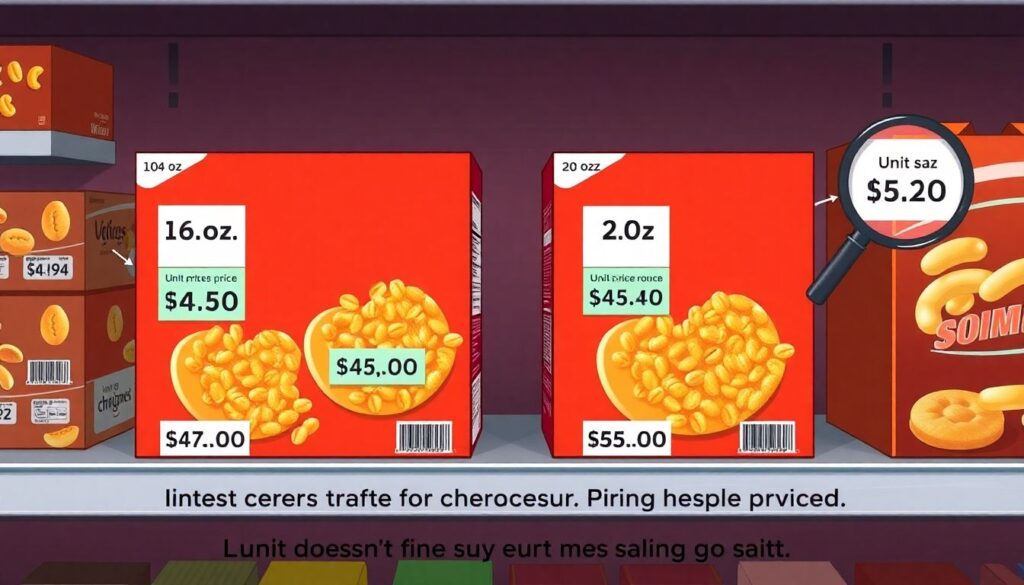
This is one of the most overlooked tricks. Just because something is on sale doesn’t mean it’s the best deal. Always check the unit price (usually listed per ounce or per pound).
Example:
A 16 oz box of cereal might cost $4.50, while a 20 oz box is $5.20. The bigger box looks more expensive, but the cost per ounce is lower:
– $4.50 / 16 oz = $0.28/oz
– $5.20 / 20 oz = $0.26/oz
Over time, this small difference adds up—especially on staples like rice, flour, and snacks.
4. Shop Seasonally and Locally
Produce is one of the trickiest areas to save money without compromising quality. But here’s the trick: buy what’s in season. Why? It’s fresher, cheaper, and often grown closer to home—meaning lower transport costs.
For example:
– In summer, berries and zucchinis are plentiful and often on sale.
– In fall, load up on apples, squash, and root vegetables.
I live in Oregon, and during September, local farmers sell apples for $0.79/lb—half the price at national chains. Bonus: they taste way better.
5. Use Cashback and Rewards Wisely

There’s no shame in using cashback apps and loyalty programs—just don’t let them tempt you into buying things you don’t need.
Top cashback/reward tools in 2025:
– Ibotta: Still one of the best for grocery-specific cashback.
– Upside: Originally for gas, but now offers grocery deals in select regions.
– Store loyalty apps: Kroger, Target Circle, and others now offer personalized discounts based on your purchase history.
One month, I earned $18 in cashback just by scanning my receipts. That’s not going to buy you a week’s worth of groceries, but it’s enough for a free rotisserie chicken or a few pounds of fresh veggies.
6. Cut Meat Costs Without Cutting Protein
Meat is often the priciest item in a grocery budget. In 2024, beef prices rose 5.1%, and chicken wasn’t far behind. That doesn’t mean you have to go vegetarian—but it’s smart to diversify your protein sources.
Budget-friendly protein options:
– Canned tuna and salmon
– Eggs (still under $3/dozen in most areas)
– Lentils and beans (less than $1/lb dry)
– Tofu (averages $2–$3 per block)
In our household, we started doing “Meatless Mondays” and now save about $25 per month just by swapping ground beef for lentils in chili. The taste? Surprisingly hearty.
7. Don’t Waste What You Already Bought
According to the USDA, the average American family throws out $1,500 worth of food per year. That’s like tossing a flat-screen TV into the trash.
How to reduce food waste:
– Freeze leftovers right away if you’re not eating them the next day
– Store produce properly (e.g., herbs in a glass of water, mushrooms in paper bags)
– Use apps like Too Good To Go or Flashfood to buy discounted “near-expiry” items
Real talk: I used to toss wilted kale every week. Now I chop and freeze it for soups or smoothies. Problem solved.
Final Thoughts: Smart Habits Beat Extreme Measures
Cutting your grocery bill doesn’t mean living on canned soup or giving up your favorite snacks. It’s about shifting your habits, paying attention to prices, and using modern tools to your advantage.
In 2025, grocery shopping is more expensive—but also smarter. With a little planning and some practical tweaks, you can eat well, stay healthy, and still keep your budget in check.
So next time you’re at the store, remember: quality eating doesn’t have to mean premium pricing. It just takes a little strategy—and maybe a shopping list.