
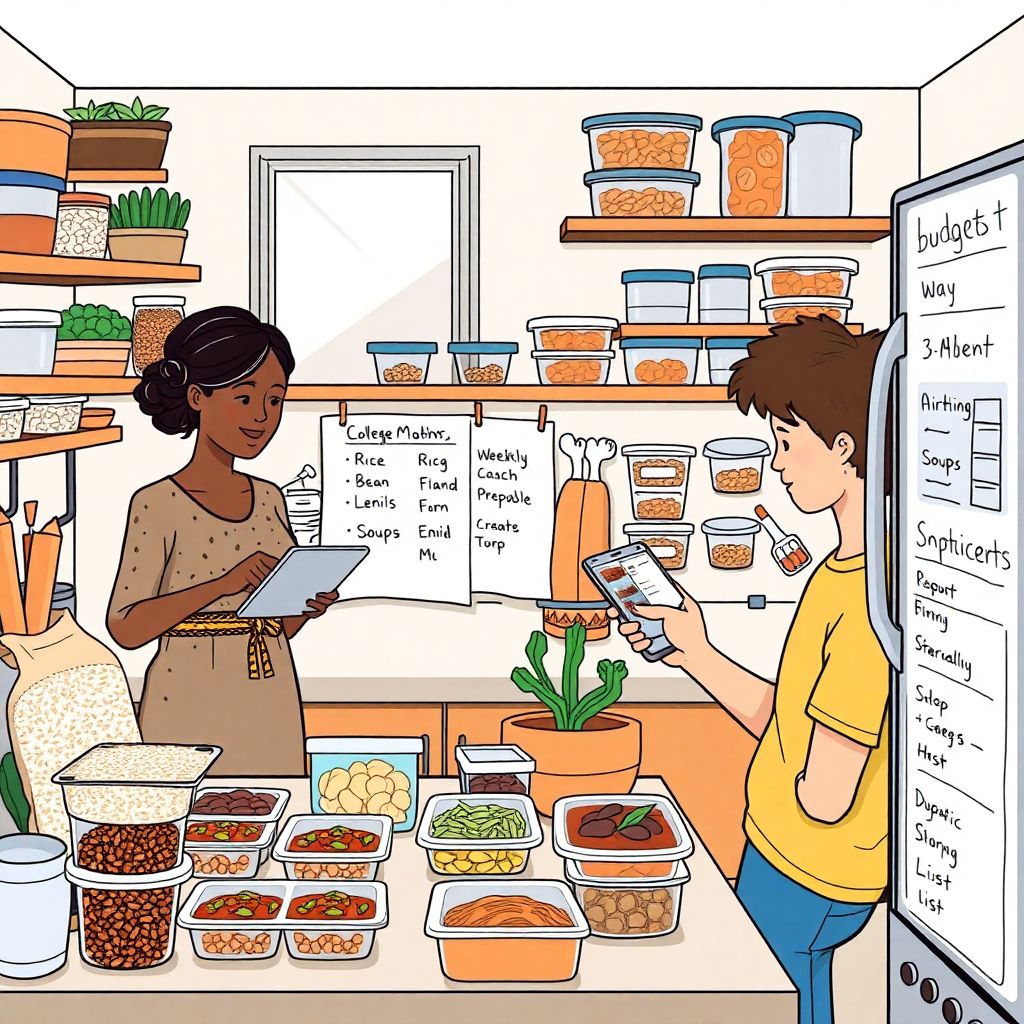
Why Budget Meal Planning Matters More Than Ever

In a time when food prices seem to rise faster than incomes, budget meal planning has become not just a smart habit, but a necessary survival strategy for many families. Gone are the days when meal prep was reserved for fitness enthusiasts and time-crunched professionals. Today, it’s a critical tool in the fight against food waste and financial stress. According to the USDA, the average American family of four wastes over $1,500 in food annually simply due to poor planning and impulse purchases. Strategic meal planning on a budget can reverse that trend, leading to significant savings and healthier habits.
Case Studies: Real Life, Real Savings
Consider the example of Amanda, a single mother of two from Ohio. By switching to affordable meal plans and doing a weekly grocery inventory, she cut her monthly food bill from $600 to $350. Her secret? A disciplined approach to cheap meal prep ideas, like cooking large batches of soups and stews that she could reheat throughout the week. Another case is James, a recent college graduate who started using a $5 meal plan service. By following this structured budget meal planning method, he not only saved $200 a month but also gained control over his nutritional intake. These examples highlight how diverse audiences can benefit from a calculated approach to affordable eating.
Hidden Strategies You Might Be Overlooking
Many assume that saving money on groceries involves extreme couponing or sacrificing quality. In reality, some of the most effective strategies are surprisingly simple and underutilized. For instance, using a flexible ingredient base—like rice, beans, or lentils—enables multiple meal variations without additional cost. Another overlooked tactic is reverse meal planning. Instead of picking recipes and then buying ingredients, this method starts with what you already have at home. It’s a powerful way to avoid waste and stick to cheap meal prep ideas that build off your existing pantry.
Alternative Approaches to Meal Planning

Different lifestyles require different approaches. For those with unpredictable schedules, frozen meal kits or slow cooker recipes offer flexibility without budget strain. Meanwhile, plant-based affordable meal plans have emerged as a viable alternative for those looking to cut meat expenses—which can account for over 30% of a grocery budget. Community-supported agriculture (CSA) programs and local food co-ops are also gaining popularity. While they may seem more expensive initially, the volume and freshness of produce often reduce the need for frequent store visits, ultimately saving money and offering higher nutritional value.
Top 5 Techniques for Pros Who Want to Maximize Every Dollar
Even seasoned planners can benefit from refining their routine. Here are five advanced yet practical strategies for meal planning on a budget:
1. Batch-cook with variation in mind – Prepare large portions of base ingredients (like quinoa or roasted vegetables) and remix them throughout the week using different seasonings and proteins.
2. Use dynamic shopping lists – Apps like AnyList or Mealime allow you to adjust recipes on the fly based on current store deals.
3. Audit your fridge weekly – A 10-minute weekly check helps prevent duplicate purchases and inspires meals from items nearing expiration.
4. Invest in proper storage – Airtight containers extend the life of prepped meals and reduce spoilage.
5. Segment your grocery budget – Allocate spending by category (protein, produce, staples) to identify where overspending occurs and adjust accordingly.
Conclusion: A Smart Plan Is the Cheapest Ingredient
Ultimately, effective budget meal planning isn’t about deprivation—it’s about optimization. By integrating both obvious and subtle tactics, anyone can create affordable meal plans that satisfy nutritional needs, reduce stress, and significantly save money on groceries. The key lies in knowing your habits, staying flexible, and embracing a mindset of resourcefulness. As food economics continue to shift, those who master the art of meal planning on a budget will not just survive but thrive—one thoughtfully prepared plate at a time.